
Home Blog Page 2

US-French Satellite Takes Stock of World’s River Water

0

In a first, a space mission led by NASA and France has tracked Earth’s rivers swelling and shrinking from month to month over the course of a year and found significantly less of a swing than previous model-based estimates. A record drought in the Amazon likely influenced the tally made by the Surface Water and Ocean Topography (SWOT) satellite. The findings also reveal new details about the underwater topography of the world’s river channels.
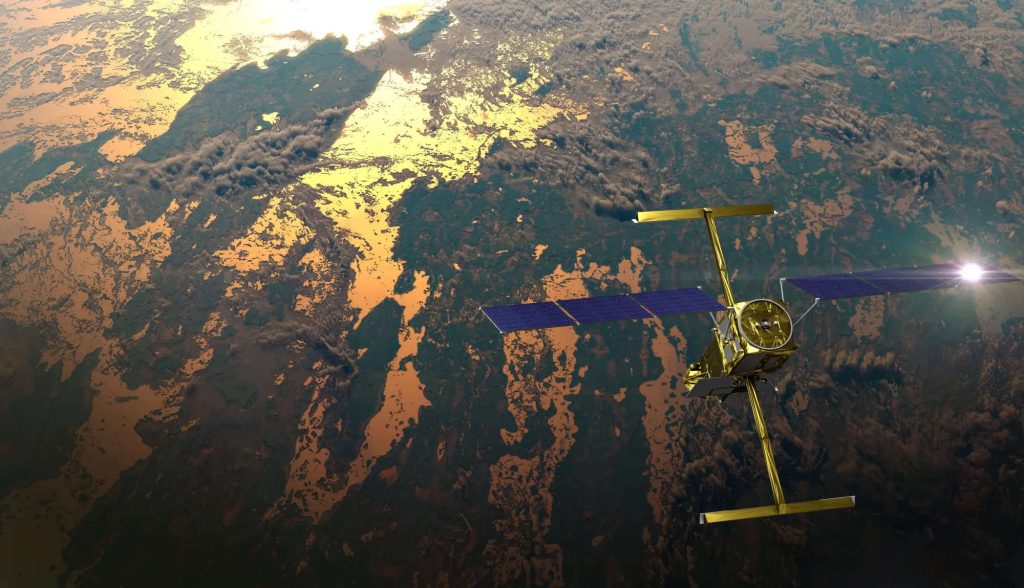
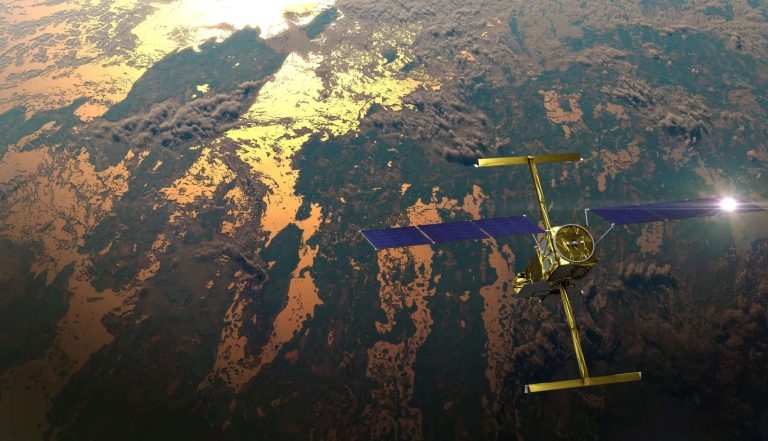
Launched in 2022, SWOT is a collaboration between NASA and the French space agency CNES (Centre National d’Études Spatiales). It is the first satellite capable of surveying not only the ocean, but also nearly all the world’s lakes and rivers with ultraprecision. While SWOT does not measure the absolute volume of rivers, it can track their width, surface height, and slope changing over time.

Traditionally, hydrologists have relied on models to calculate river storage changes, or they multiplied altimeter estimates of height by optical or radar estimates of width. In contrast, SWOT measures both dimensions, height and width, at the same time using its sensitive Ka-band Radar Interferometer (KaRIn) instrument to bounce microwaves off the water’s surface and time how long the signal takes to return. The new study, published Wednesday in Nature, analyzed nearly 1.6 million such observations.

The analysis paints a picture of some 127,000 river segments rising and falling between October 2023 and September 2024. In aggregate, river volumes varied by almost 83 trillion gallons (313 cubic kilometers). That’s about 28% less of a swing than the lowest previous estimates, a result likely skewed by extremely dry conditions during that period in the Amazon, home to Earth’s largest river by volume.

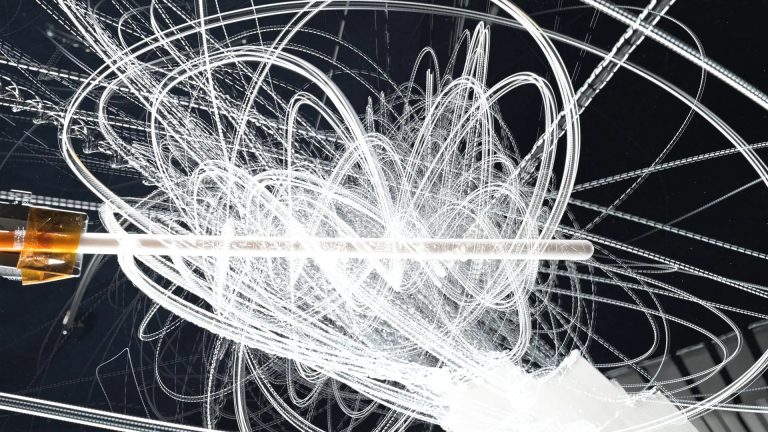
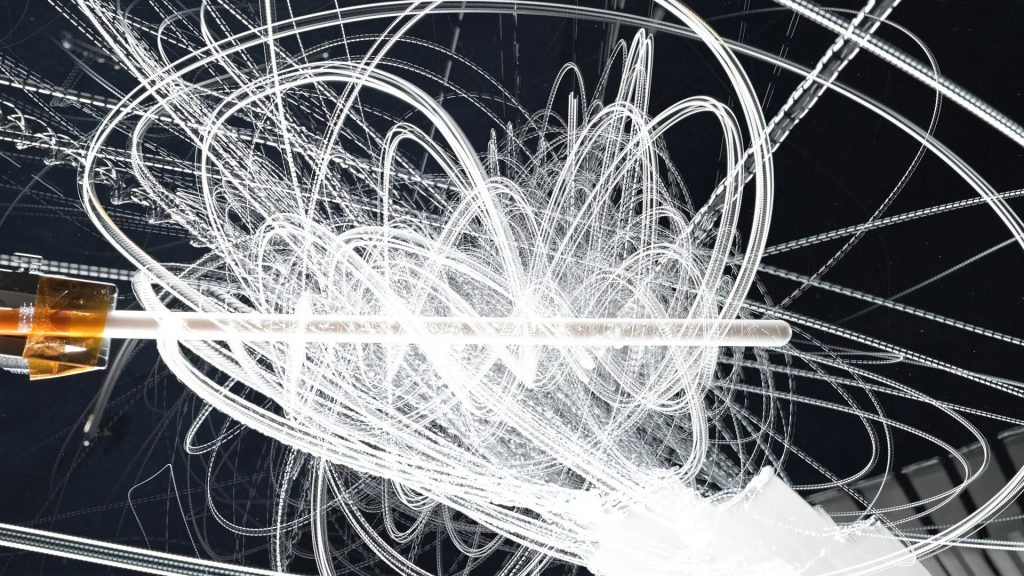
Earth’s rivers pulse like capilleries in this visualization using data from the SWOT mission. The world tour zooms in on iconic rivers including the Amazon, which in the span of a year gained and lost enough water to fill 68 million Olympic-size swimming pools.
NASA’s Scientific Visualization Studio

New way to map river channels 

Even gripped by drought, the Amazon River varied more than any other during the year, gaining and losing more than 45 trillion gallons (172 cubic kilometers) — enough to cover the entire state of California in more than a foot of water.

More surprisingly, the world’s longest river, the Nile, varied less than expected, with volumes changing by only 2.2 trillion gallons (8.5 cubic kilometers). Possible explanations include upstream damming and severe drought, along with challenges that come with learning to work with a new satellite instrument.

Cedric David, who leads the SWOT research team that conducted the work at NASA’s Jet Propulsion Laboratory in Southern California, said the findings are a first look and the role of large floodplain dynamics remain to be fully determined. Still, such an accounting has been elusive until now. River gauges are sparse in areas, and some channels too remote for boat and ground surveys. Longstanding questions, such as how fast do rivers flow and how much rainwater and snowmelt runs into them, have added to the uncertainty.

“We’re starting to untangle some of the really tough questions SWOT was built for,” David said. “This is just the beginning.”

Tracking rivers as they swell and shrink is also helping scientists visualize something that can be challenging to survey in person: the underlying shape of riverbanks and beds. Such contours influence everything from shipping to flooding but have remained largely unmapped in many places, noted Arnaud Cerbelaud, a postdoctoral research fellow at JPL who co-led the study.

The new SWOT data provides a window into river channels ranging from concave to convex, steep to gentle, and stable to highly variable. In the Amazon, Mississippi, Orinoco, Yangtze, Ganges, Mekong and Yenisei rivers, for example, observed water levels vary by more than 32 feet (10 meters) from peak to trough.

“The implications go far beyond hydrology and will help us understand how water moves through the global Earth system,” Cerbelaud said.

More about SWOT

Launched in December 2022 from Vandenberg Space Force Base in California, SWOT is now in its operations phase, collecting data that will be used for research and other purposes.

The SWOT satellite was jointly developed by NASA and CNES, with contributions from the CSA (Canadian Space Agency), and the UK Space Agency. NASA’s Jet Propulsion Laboratory, managed for the agency by Caltech in Pasadena, California, leads the U.S. component of the project. For the flight system payload, NASA provided the KaRIn instrument, a GPS science receiver, a laser retroreflector, a two-beam microwave radiometer, and NASA instrument operations. NASA partners at CNES provided the Doppler Orbitography and Radioposition Integrated by Satellite system, the dual frequency Poseidon altimeter (developed by Thales Alenia Space), the KaRIn radio-frequency subsystem (together with Thales Alenia Space and with support from the UK Space Agency), the satellite platform, and ground operations. The KaRIn high-power transmitter assembly was provided by CSA. NASA provided the launch vehicle and the agency’s Launch Services Program, based at Kennedy Space Center in Florida, managed the associated launch services.

To learn more about SWOT, visit:

https://swot.jpl.nasa.gov

Originally published at: NASA Blog
A giant star is changing before our eyes and astronomers are watching in real time
0


Keiichi Ohnaka, Universidad Andrés Bello (Chile) and Jacco van Loon, Keele University

For decades, astronomers have been watching WOH G64, an enormous heavyweight star in the Large Magellanic Cloud, a galaxy visible with the naked eye from the Southern Hemisphere. This star is more than 1,500 times larger than the Sun and emitting over 100,000 times more energy. For a long time, red supergiant WOH G64 looked like a star steadily reaching the end of its life, shedding material and swelling in size as it began to run out of fuel.

Astronomers didn’t think its final demise would happen anytime soon, because no-one has ever seen a known red supergiant die. But in recent years astronomers – including our team working with the Southern African Large Telescope (SALT) – discovered that this star has started to change, growing dimmer than before and seemingly warmer. This has surprised scientists and suggests the star’s final stages of life may be more complicated, and perhaps unfold faster, than once thought.

Massive stars, more than about eight times the mass of the Sun, produce so much energy, which we see as light, that they run out of fuel within millions of years, instead of the billions of years of the Sun’s lifespan.

Most massive stars become gigantic, cool stars in the final million years or so of their life – so-called red supergiants. All red supergiants blow gaseous winds, losing weight as they do so. Some do this so strongly that the star becomes enveloped in a shroud of the ejected material containing gas and solid particles like tiny sand grains – called dust in astronomy. This makes them look dim in visual light, but very bright in the infrared where the dust shines.

In the 1960s Swedish astronomers Westerlund, Olander and Hedin discovered number 64 in their catalogue of red stars. They thought nothing of it, as it looked like an unremarkable red giant star, something the Sun and most other stars will become later in life. But when in the 1980s Nasa, the UK and The Netherlands launched the InfraRed Astronomical Satellite into space, astronomers Elias, Frogel and Schwering discovered that WOH G64 is the most luminous, coolest and dustiest red supergiant in the entire Large Magellanic Cloud, which harbours over a thousand red supergiants. More observations over the following decades showed the strong, steady modulations of the brightness expected of a pulsating star of that kind.

Then, in 2024, our team (both authors of this article and our collaborators in Germany and the US) succeeded in taking a close-up image of WOH G64 using the European Southern Observatory’s telescopes and revealed a fresh cloud of dust close to the star. It was the sharpest picture of a star in another galaxy ever taken (comparable to being able to spot an astronaut walk on the Moon from Earth). We discovered that in the last decade, unexpectedly, the star had started to eject much more dust than before. At that time, we did not have an idea about why and how.

It turns out, WOH G64 had also become dimmer, possibly because of the dust cloud it had ejected, and started to pulsate less and a little more quickly, suggesting it had shrunk. At the same time, the star seemed to look a lot warmer, leading some to believe it might have entered a new stage of its life – a so-called yellow hypergiant on its final path to doom.

All these phenomena are happening on a human time scale, which is usually not the case when we observe stars. This makes WOH G64 even more special. Is this star offering us an opportunity not to be missed to witness the final death throes of massive stars?

Now, as we start 2026, we have announced that observations we have obtained using the Southern African Large Telescope give us some clues about what is going on with WOH G64. The SALT observations show the overwhelming presence of ions in the vicinity of the star, which means that the gas is heated up to high temperatures by what must be a much hotter star. This should not have surprised anyone as the hot gas had been spotted in the 1980s and ever since. But we also found the imprint of molecules, implying cool gas (because molecules break up at high temperatures) likely in the atmosphere of the red supergiant. It did not appear to have changed into a yellow hypergiant, at least not yet.

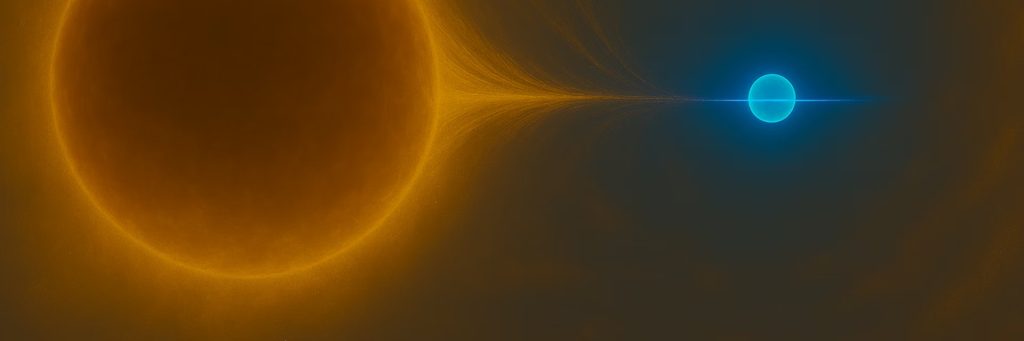
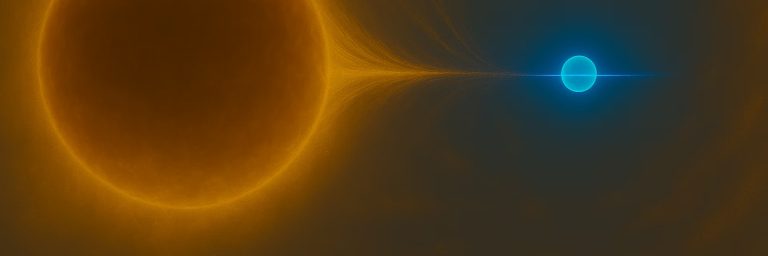
For a long time, astronomers have suspected that the red supergiant has a smaller, hotter twin living alongside it, but they have somehow been reluctant to claim this in publications. And now it looks to be the elephant in the room. One way of making sense of our observations is that this hotter star, looking blue in contrast to its bigger, cooler, red sibling, heats gas it might have captured from the red supergiant’s wind. Now that the red supergiant has faded, the presence of the heated gas has just become more conspicuous.

If the orbit of the blue star is not a circle but quite elongated (Earth’s orbit around the Sun only slightly deviates from a circle), the distance between the blue star and the red supergiant varies. It may have got closer in recent years, and its gravity might have caused the atmosphere of the red supergiant to stretch out. This would make it more transparent overall, allowing us to see the warmer interior, but with cool, dark molecular patches left in places. That would also have made it easier for dust to form further out in its wind.

If that is true, then once the blue star starts to recede again on its orbit, WOH G64 might regain its former red supergiant glory. On the other hand, if it did throw off its coat entirely, then the molecules would disappear, and with it, the dust, and we would gain a clean view of the star. Then again, WOH G64 might do something else unexpected. It certainly teaches astronomers to be humble.The Conversation

Keiichi Ohnaka, Associate professor, Universidad Andrés Bello (Chile) and Jacco van Loon, Reader in Astrophysics, Keele University

This article is republished from The Conversation under a Creative Commons license. Read the original article ( https://theconversation.com/a-giant-star-is-changing-before-our-eyes-and-astronomers-are-watching-in-real-time-274562 ).

Image credits: SALT

What’s the point of a space station around the Moon?

0


Berna Akcali Gur, Queen Mary University of London

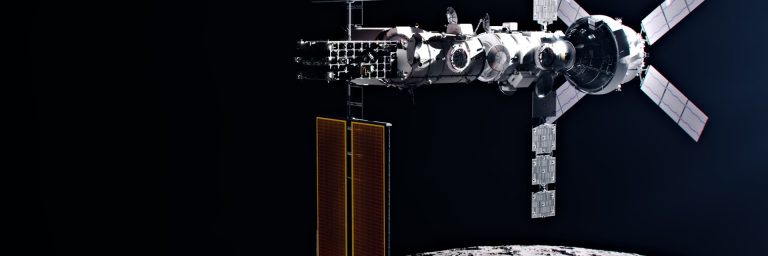
The Lunar Gateway is planned space station that will orbit the Moon. It is part of the Nasa‑led Artemis programme. Artemis aims to return humans to the Moon, establishing a sustainable presence there for scientific and commercial purposes, and eventually reach Mars.

However, the modular space station now faces delays, cost concerns and potential US funding cuts. This raises a fundamental question: is an orbiting space station necessary to achieve lunar objectives, including scientific ones?

The president’s proposed 2026 budget for Nasa sought to cancel Gateway. Ultimately, push back from within the Senate led to continued funding for the lunar outpost. But debate continues among policymakers as to its value and necessity within the Artemis programme.

Cancelling Gateway would also raise deeper questions about the future of US commitment to international cooperation within Artemis. It would therefore risk eroding US influence over global partnerships that will define the future of deep space exploration.

Gateway was designed to support these ambitions by acting as a staging point for crewed and robotic missions (such as lunar rovers), as a platform for scientific research and as a testbed for technologies crucial to landing humans on Mars.

It is a multinational endeavour. Nasa is joined by four international partners, the Canadian Space Agency, the European Space Agency (Esa), the Japan Aerospace Exploration Agency and the United Arab Emirates’ Mohammed Bin Rashid Space Centre.

Schematic of the Lunar Gateway.
The Lunar Gateway.
Nasa

Most components contributed by these partners have already been produced and delivered to the US for integration and testing. But the project has been beset by rising costs and persistent debates over its value.

If cancelled, the US abandonment of the most multinational component of the Artemis programme, at a time when trust in such alliances is under unprecedented strain, could be far reaching.

It will be assembled module by module, with each partner contributing components and with the possibility of additional partners joining over time.

Strategic aims

Gateway reflects a broader strategic aim of Artemis, to pursue lunar exploration through partnerships with industry and other nations, helping spread the financial cost – rather than as a sole US venture. This is particularly important amid intensifying competitions – primarily with China.

China and Russia are pursuing their own multinational lunar project, a surface base called the International Lunar Research Station. Gateway could act as an important counterweight, helping reinforce US leadership at the Moon.

In its quarter-century of operation, the ISS has hosted more than 290 people from 26 countries, alongside its five international partners, including Russia. More than 4,000 experiments have been conducted in this unique laboratory.

In 2030, the ISS is due to be succeeded by separate private and national space stations in low Earth orbit. As such, Lunar Gateway could repeat the strategic, stabilising role among different nations that the ISS has played for decades.

However, it is essential to examine carefully whether Gateway’s strategic value is truly matched by its operational and financial feasibility.

It could be argued that the rest of the Artemis programme is not dependant on the lunar space station, making its rationales increasingly difficult to defend.

Some critics focus on technical issues, others say the Gateway’s original purpose has faded, while others argue that lunar missions can proceed without an orbital outpost.

Sustainable exploration

Supporters counter that the Lunar Gateway offers a critical platform for testing technology in deep space, enabling sustainable lunar exploration, fostering international cooperation and laying the groundwork for a long term human presence and economy at the Moon. The debate now centres on whether there are more effective ways to achieve these goals.

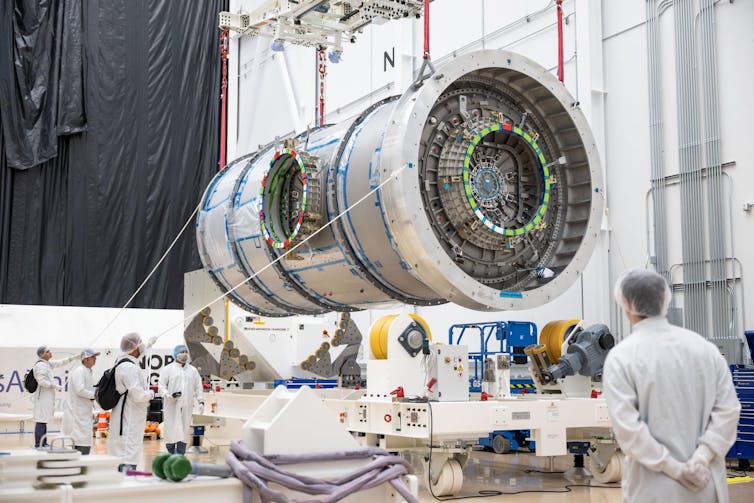
Despite uncertainties, commercial and national partners remain dedicated to delivering their commitments. Esa is supplying the International Habitation Module (IHAB) alongside refuelling and communications systems. Canada is building Gateway’s robotic arm, Canadarm3, the UAE is producing an airlock module and Japan is contributing life support systems and habitation components.

Gateway’s Halo module at a facility in Arizona operated by aerospace company Northrop Grumman.
Nasa / Josh Valcarcel

US company Northrop Grumman is responsible for developing the Habitat and Logistics Outpost (Halo), and American firm Maxar is to build the power and propulsion element (PPE). A substantial portion of this hardware has already been delivered and is undergoing integration and testing.

If the Gateway project ends, the most responsible path forward to avoid discouraging future contributors to Artemis projects would be to establish a clear plan to repurpose the hardware for other missions.

Cancellation without such a strategy risks creating a vacuum that rival coalitions, could exploit. But it could also open the door to new alternatives, potentially including one led by Esa.

Esa has reaffirmed its commitment to Gateway even if the US ultimately reconsiders its own role. For emerging space nations, access to such an outpost would help develop their capabilities in exploration. That access translates directly into geopolitical influence.

Space endeavours are expensive, risky and often difficult to justify to the public. Yet sustainable exploration beyond Earth’s orbit will require a long-term, collaborative approach rather than a series of isolated missions.

If the Gateway no longer makes technical or operational sense for the US, its benefits could still be achieved through another project.

This could be located on the lunar surface, integrated into a Mars mission or could take an entirely new form. But if the US dismisses Gateway’s value as a long term outpost without ensuring that its broader benefits are preserved, it risks missing an opportunity that will shape its long term influence in international trust, leadership and the future shape of space cooperation.The Conversation

Berna Akcali Gur, Lecturer in Outer Space Law, Queen Mary University of London

This article is republished from The Conversation under a Creative Commons license. Read the original article ( https://theconversation.com/whats-the-point-of-a-space-station-around-the-moon-274765 ).

Featured image credit: NASA

Zed Approves | Smartphones for Every Budget Range

0

If you are looking for a smartphone and are not simply chasing the latest model, you may want to take a look at our list. The phones featured here span a wide range of prices and specifications, making it easier to find one that fits your needs and budget.

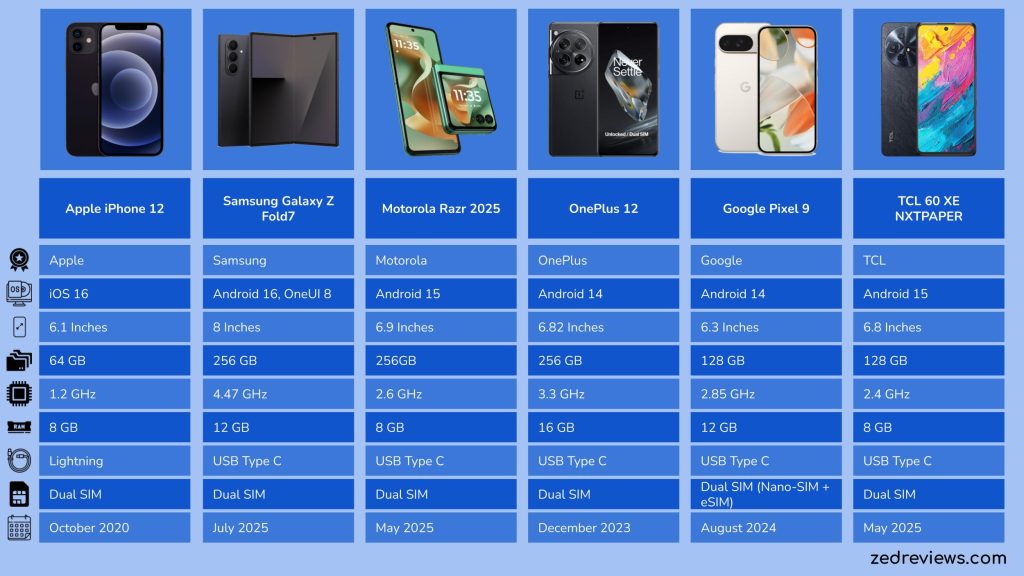
Apple iPhone 12 (Renewed)

Apple smartphone

Although the Apple iPhone 12 was released in 2020, it remains a capable smartphone even today. It still offers solid performance, along with sufficient memory and storage for everyday use. Among the phones on this list, it is also the most affordable option. If you are already using Apple products, the iPhone 12 is worth considering due to its seamless integration with the Apple ecosystem.

Recommendation: Choose the iPhone 12 if you value strong ecosystem synergy with your existing Apple devices.

Samsung Galaxy Z Fold7 (256GB)

Samsung smartphone

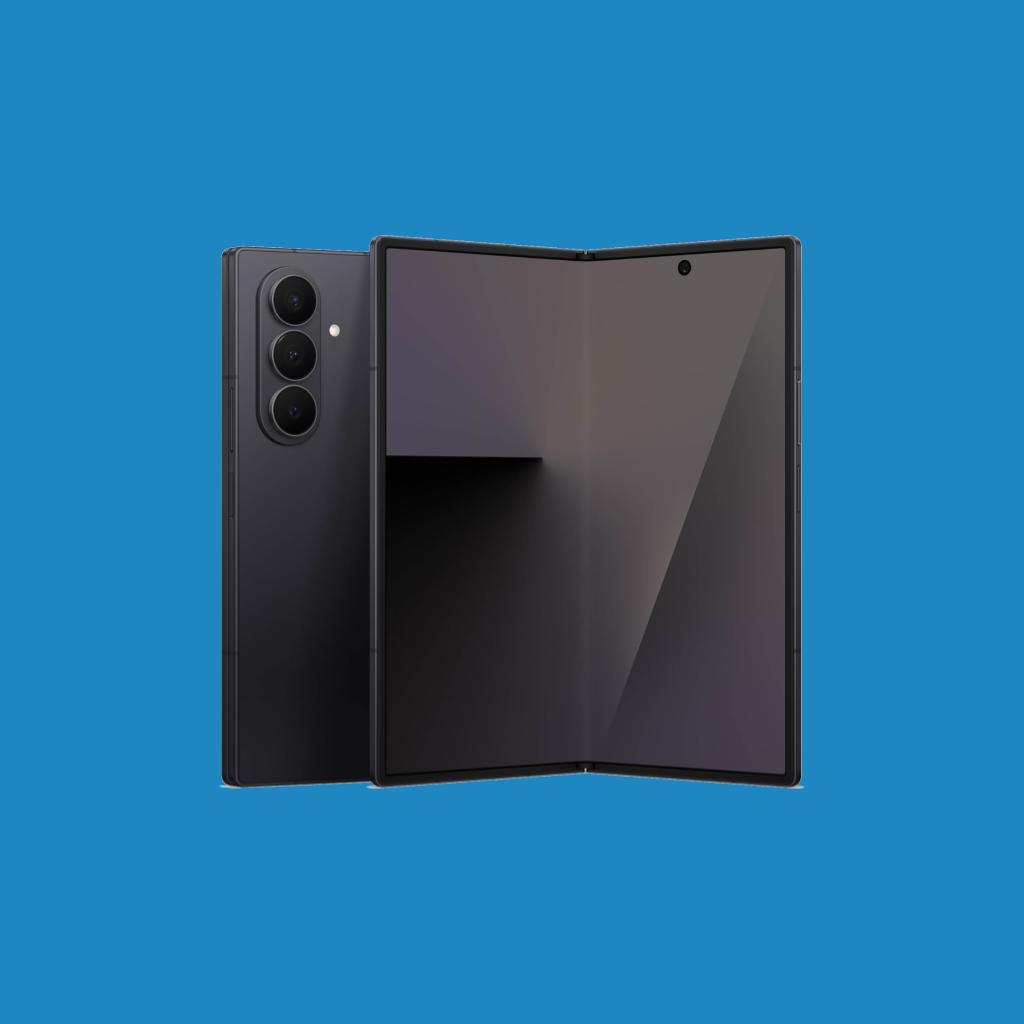
Arguably the strongest smartphone on this list, it boasts 12 GB of memory and a high-performance 4.47 GHz CPU, making it ideal for power users. It is also the most expensive option here. Its standout feature is the foldable design, which allows the phone to fold vertically in the middle and expand into a larger display, effectively giving you more screen space. Being released just last year also contributes to its higher price.

Recommendation: Choose this phone if you want a foldable device that feels like carrying a portable tablet.

Motorola Razr 2025

Motorola smartphone

Another foldable phone on this list comes from Motorola, and it stands out with a unique design feature. When the phone is folded, the outer back panel also functions as a smaller display, allowing you to check the time and view notifications without opening the device. It is also very compact and easy to store, even fitting comfortably in a shirt pocket (if you have one).

Recommendation: Choose this phone if you want a foldable device with an excellent front-facing camera.

OnePlus 12

OnePlus smartphone

If you are looking for a phone with massive memory, this is a strong contender. It comes equipped with 16 GB of RAM, a large 6.82-inch display, and 256 GB of storage. While it sits in the middle of the pack in terms of price, it is packed with high-end specifications that offer excellent value for money.

Recommendation: Choose this phone if you want a powerful, well-equipped device released in 2023 that delivers great value for its price.

Google Pixel 9

Google smartphone

A great upgrade option if you are moving from an earlier Google Pixel model. Released in 2024 with Android 14, it is upgradeable to Android 16, which is the latest version available at the time of this review. One potential downside is that it only has a single physical Nano-SIM slot, although it does support eSIM for added flexibility.

Recommendation: Choose this phone if you want a clean Android experience, long-term software support, and are comfortable using an eSIM alongside a single physical SIM.

TCL 60 XE NXTPAPER

Google smartphone

This TCL phone was released last year and offers decent specifications for its price. It costs only slightly more than the Apple phone on this list, despite that model being released five years ago—highlighting how Apple product prices tend to remain relatively stable over time. While it does not have any standout features compared to the others, it delivers reliable performance for everyday use. Overall, it is the most average smartphone on this list: basic, but it does its job well.

Recommendation: Choose this phone if you want a reliable, no-frills device at an affordable price.


Student life is busy enough without hassles like paying for shipping. That’s why Amazon Prime Student is a must-have for you. For just $14.99 $7.49/month, Prime Student gets you free two-day shipping on over 100 million items, unlimited photo storage, exclusive deals, and more. Better still, it comes with a six-month free trial so you can make sure Prime Student fits your lifestyle. Join today to take advantage of membership benefits and perks tailored specifically for students! Click here to sign up now.

NASA Testing Advances Space Nuclear Propulsion Capabilities

0

Written by Daniel Boyette

Nuclear propulsion and power technologies could unlock new frontiers in missions to the Moon, Mars, and beyond. NASA has reached an important milestone advancing nuclear propulsion that could benefit future deep space missions by completing a cold-flow test campaign of the first flight reactor engineering development unit since the 1960s.

“Nuclear propulsion has multiple benefits including speed and endurance that could enable complex deep space missions,” said Greg Stover acting associate administrator of NASA’s Space Technology Mission Directorate at NASA Headquarters in Washington. “By shortening travel times and expanding mission capabilities, this technology will lay the foundation to explore farther into our solar system than ever before. Information from the cold-flow test series is instrumental in understanding the operational characteristics and fluid flow performance of nuclear reactors.”

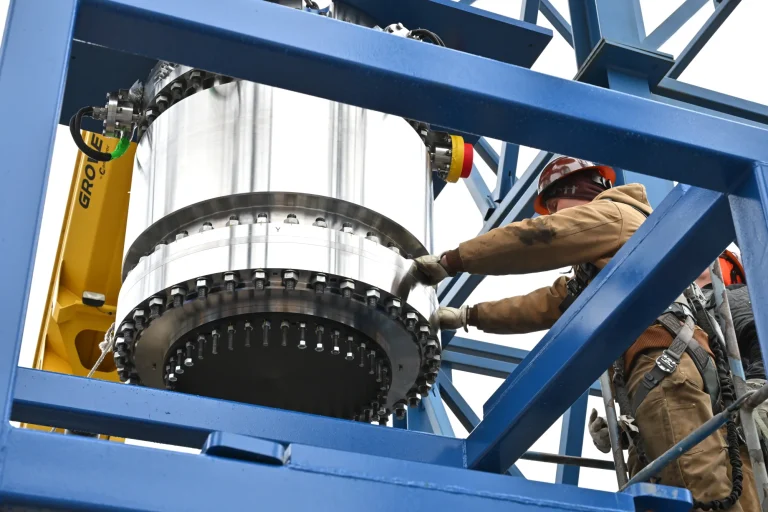
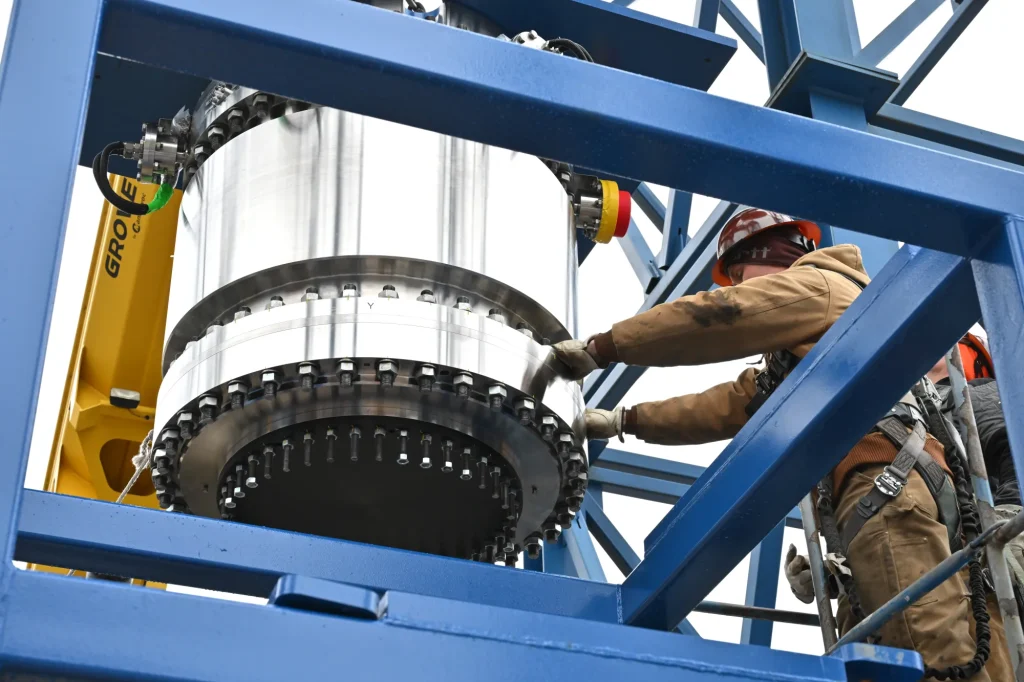
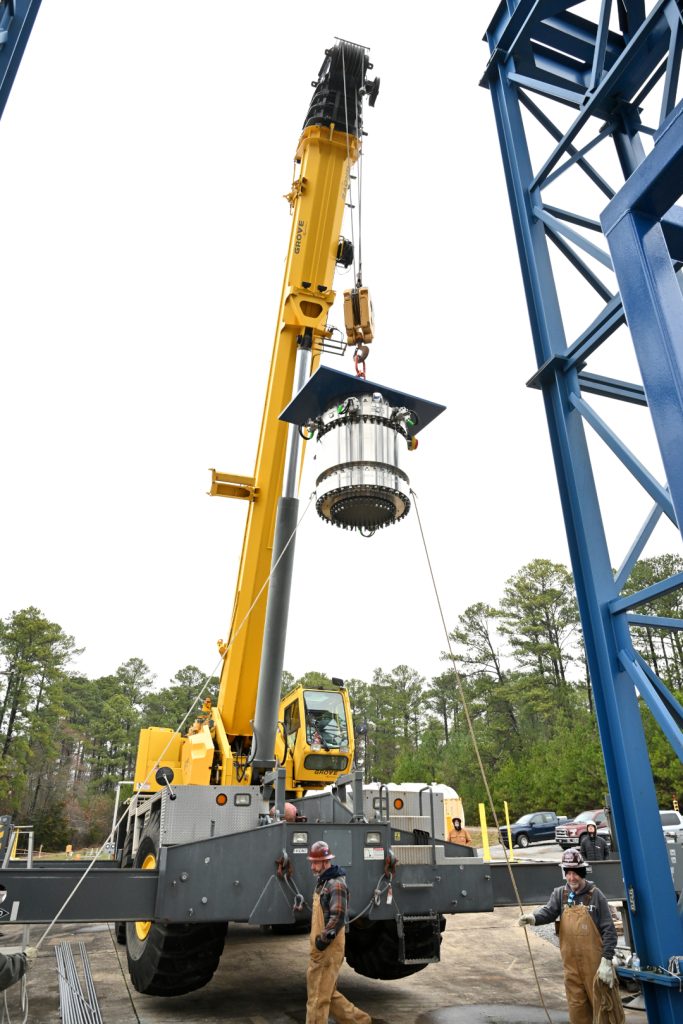
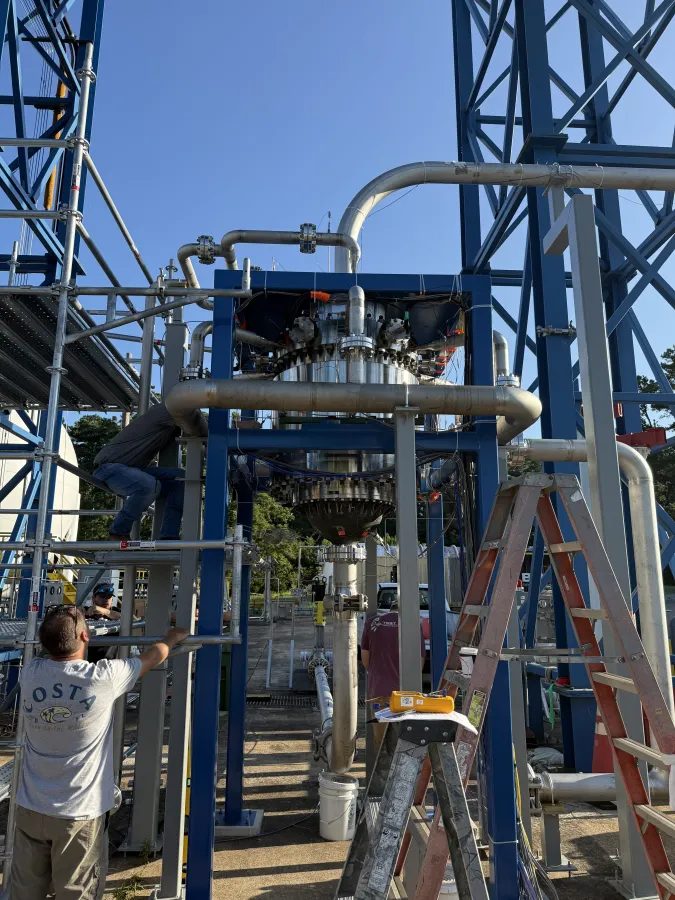
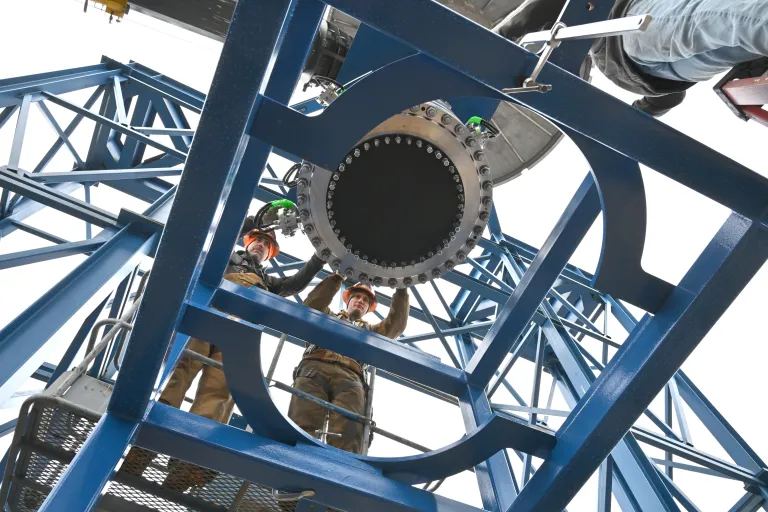
Teams at the agency’s Marshall Space Flight Center in Huntsville, Alabama, conducted more than 100 tests on  the engineering development unit over several months in 2025. The 44-inch by 72-inch unit, built by BWX Technologies of Richmond, Virginia, is a full-scale, non-nuclear, flight-like development test article the size of a 100-gallon drum that simulates propellant flow throughout the reactor across a range of operational conditions.

The cold-flow tests at NASA Marshall are the culmination of a multi-year activity for the agency and its industry partners. Key test objectives included simulating operational fluid-dynamic responses, gathering critical information for design of the flight instrumentation and control system, providing crucial validation of analytical tools, and serving as a pathfinder for manufacturing, assembly, and integration of near-term flight-capable nuclear propulsion systems.

Other benefits to space travel include increasing the science payload capacity and higher power for instrumentation and communication.

Test engineers were able to demonstrate that the reactor design is not susceptible to destructive flow-induced oscillations, vibrations or pressure waves that occur when a moving fluid interacts with a structure in a way that makes the system shake.

“We’re doing more than proving a new technology,” said Jason Turpin, manager of the Space Nuclear Propulsion Office at NASA Marshall. “This test series generated some of the most detailed flow responses for a flight-like space reactor design in more than 50 years and is a key steppingstone toward developing a flight-capable system. Each milestone brings us closer to expanding what’s possible for the future of human spaceflight, exploration, and science.”

The Space Nuclear Propulsion Office is part of NASA’s Technology Demonstration Missions Program within the agency’s Space Technology Mission Directorate.

Learn more about NASA’s technology advancements:

https://www.nasa.gov/space-technology-mission-directorate

News Media Contact

Joel Wallace
Marshall Space Flight Center, Huntsville, Alabama
256-544-0034
[email protected]

Originally published at: NASA

Polar weather on Jupiter and Saturn hints at the planets’ interior details

0

New research may explain the striking differences between the two planets’ polar vortex patterns.

Jennifer Chu | MIT News
https://news.mit.edu/2026/polar-weather-jupiter-saturn-hints-planets-interior-details-0119

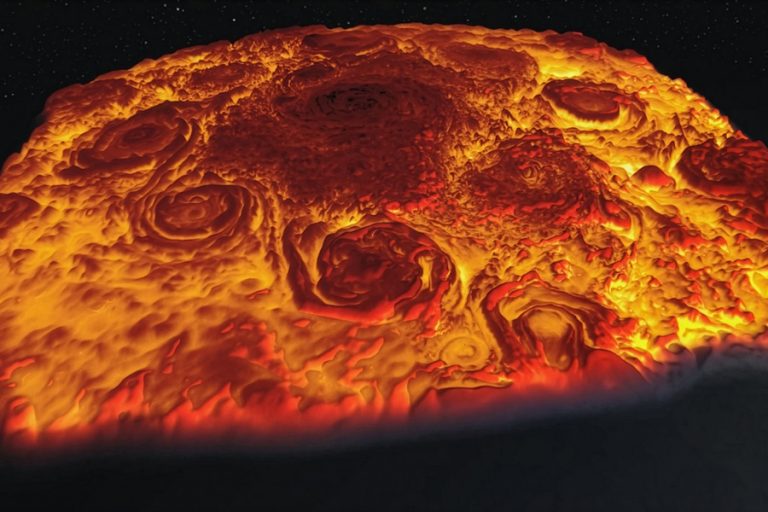
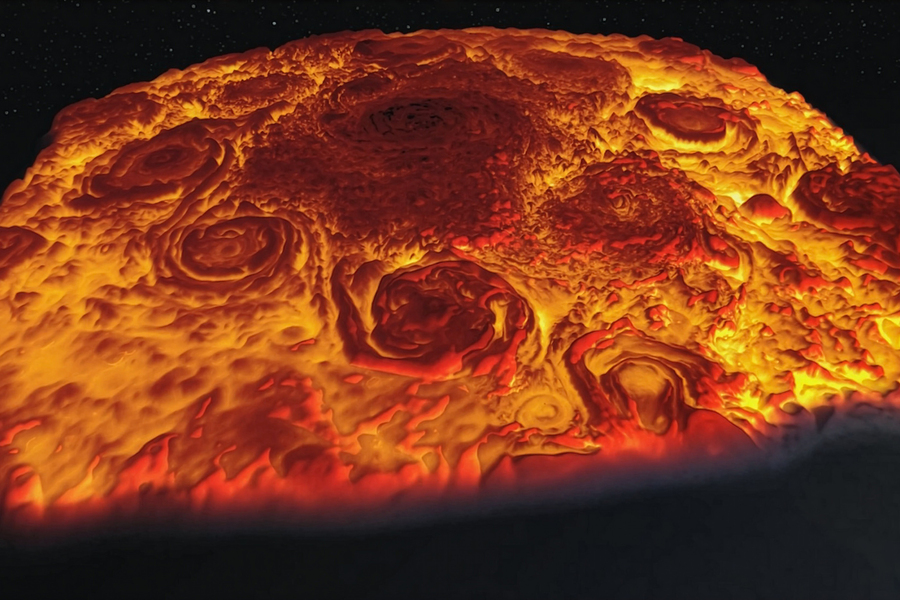
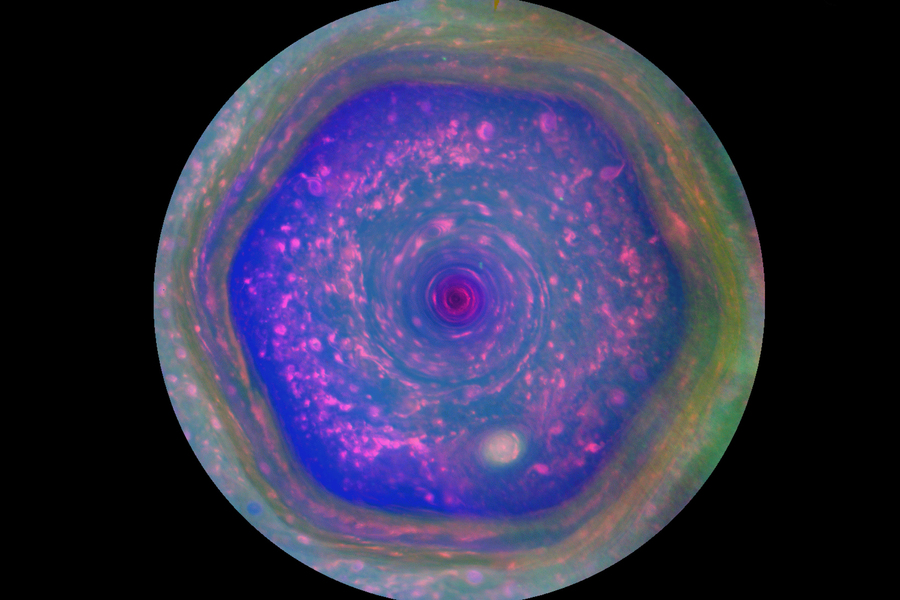
Over the years, passing spacecraft have observed mystifying weather patterns at the poles of Jupiter and Saturn. The two planets host very different types of polar vortices, which are huge atmospheric whirlpools that rotate over a planet’s polar region. On Saturn, a single massive polar vortex appears to cap the north pole in a curiously hexagonal shape, while on Jupiter, a central polar vortex is surrounded by eight smaller vortices, like a pan of swirling cinnamon rolls.

Given that both planets are similar in many ways — they are roughly the same size and made from the same gaseous elements — the stark difference in their polar weather patterns has been a longstanding mystery.

Now, MIT scientists have identified a possible explanation for how the two different systems may have evolved. Their findings could help scientists understand not only the planets’ surface weather patterns, but also what might lie beneath the clouds, deep within their interiors.

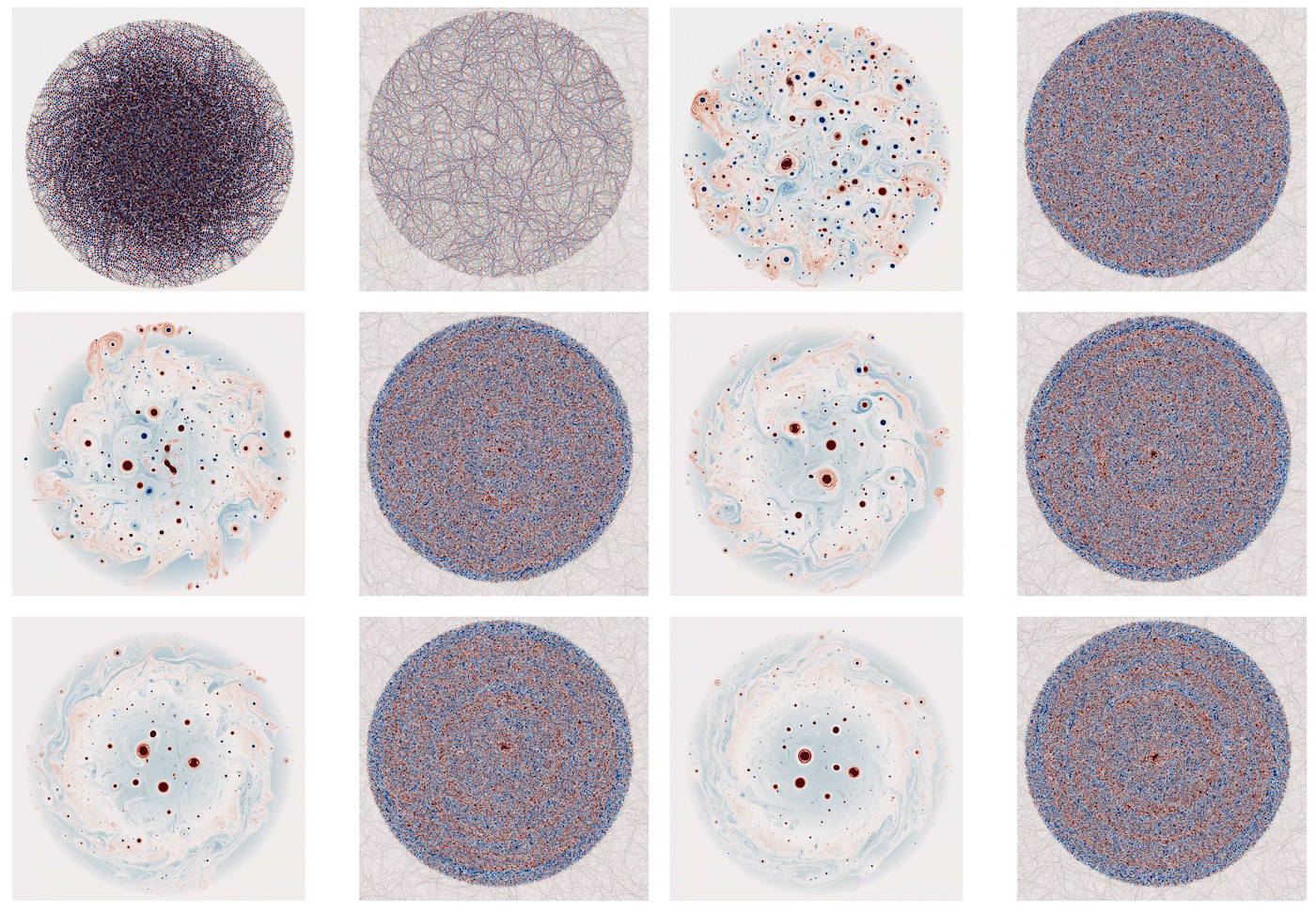
In a study appearing this week in the Proceedings of the National Academy of Sciences, the team simulates various ways in which well-organized vortex patterns may form out of random stimulations on a gas giant. A gas giant is a large planet that is made mostly of gaseous elements, such as Jupiter and Saturn. Among a wide range of plausible planetary configurations, the team found that, in some cases, the currents coalesced into a single large vortex, similar to Saturn’s pattern, whereas other simulations produced multiple large circulations, akin to Jupiter’s vortices.

After comparing simulations, the team found that vortex patterns, and whether a planet develops one or multiple polar vortices, comes down to one main property: the “softness” of a vortex’s base, which is related to the interior composition. The scientists liken an individual vortex to a whirling cylinder spinning through a planet’s many atmospheric layers. When the base of this swirling cylinder is made of softer, lighter materials, any vortex that evolves can only grow so large. The final pattern can then allow for multiple smaller vortices, similar to those on Jupiter. In contrast, if a vortex’s base is made of harder, denser stuff, it can grow much larger and subsequently engulf other vortices to form one single, massive vortex, akin to the monster cyclone on Saturn.

“Our study shows that, depending on the interior properties and the softness of the bottom of the vortex, this will influence the kind of fluid pattern you observe at the surface,” says study author Wanying Kang, assistant professor in MIT’s Department of Earth, Atmospheric and Planetary Sciences (EAPS). “I don’t think anyone’s made this connection between the surface fluid pattern and the interior properties of these planets. One possible scenario could be that Saturn has a harder bottom than Jupiter.”

The study’s first author is MIT graduate student Jiaru Shi.

Spinning up

Kang and Shi’s new work was inspired by images of Jupiter and Saturn that have been taken by the Juno and Cassini missions. NASA’s Juno spacecraft has been orbiting around Jupiter since 2016, and has captured stunning images of the planet’s north pole and its multiple swirling vortices. From these images, scientists have estimated that each of Jupiter’s vortices is immense, spanning about 3,000 miles across — almost half as wide as the Earth itself.

The Cassini spacecraft, prior to intentionally burning up in Saturn’s atmosphere in 2017, orbited the ringed planet for 13 years. Its observations of Saturn’s north pole recorded a single, hexagonal-shaped polar vortex, about 18,000 miles wide.

“People have spent a lot of time deciphering the differences between Jupiter and Saturn,” Shi says. “The planets are about the same size and are both made mostly of hydrogen and helium. It’s unclear why their polar vortices are so different.”

Shi and Kang set out to identify a physical mechanism that would explain why one planet might evolve a single vortex, while the other hosts multiple vortices. To do so, they worked with a two-dimensional model of surface fluid dynamics. While a polar vortex is three-dimensional in nature, the team reasoned that they could accurately represent vortex evolution in two dimensions, as the fast rotation of Jupiter and Saturn enforces uniform motion along the rotating axis.

“In a fast-rotating system, fluid motion tends to be uniform along the rotating axis,” Kang explains. “So, we were motivated by this idea that we can reduce a 3D dynamical problem to a 2D problem because the fluid pattern does not change in 3D. This makes the problem hundreds of times faster and cheaper to simulate and study.”

Getting to the bottom

Following this reasoning, the team developed a two-dimensional model of vortex evolution on a gas giant, based on an existing equation that describes how swirling fluid evolves over time.

“This equation has been used in many contexts, including to model midlatitude cyclones on Earth,” Kang says. “We adapted the equation to the polar regions of Jupiter and Saturn.”

The team applied their two-dimensional model to simulate how fluid would evolve over time on a gas giant under different scenarios. In each scenario, the team varied the planet’s size, its rate of rotation, its internal heating, and the softness or hardness of the rotating fluid, among other parameters. They then set a random “noise” condition, in which fluid initially flowed in random patterns across the planet’s surface. Finally, they observed how the fluid evolved over time given the scenario’s specific conditions.

Over multiple different simulations, they observed that some scenarios evolved to form a single large polar vortex, like Saturn, whereas others formed multiple smaller vortices, like Jupiter. After analyzing the combinations of parameters and variables in each scenario and how they related to the final outcome, they landed on a single mechanism to explain whether a single or multiple vortices evolve: As random fluid motions start to coalesce into individual vortices, the size to which a vortex can grow is limited by how soft the bottom of the vortex is. The softer, or lighter the gas is that is rotating at the bottom of a vortex, the smaller the vortex is in the end, allowing for multiple smaller-scale vortices to coexist at a planet’s pole, similar to those on Jupiter.

MIT researchers ran simulations, like the one pictured here, and found that vortex patterns, and whether a planet develops one or multiple polar vortices, is determined by the “softness” of the vortex’s base. On left, a simulation results in multiple vortexes, and on right, only a single vortex is formed in the simulation. Credit: Courtesy of the researchers

Conversely, the harder or denser a vortex bottom is, the larger the system can grow, to a size where eventually it can follow the planet’s curvature as a single, planetary-scale vortex, like the one on Saturn.

If this mechanism is indeed what is at play on both gas giants, it would suggest that Jupiter could be made of softer, lighter material, while Saturn may harbor heavier stuff in its interior.

“What we see from the surface, the fluid pattern on Jupiter and Saturn, may tell us something about the interior, like how soft the bottom is,” Shi says. “And that is important because maybe beneath Saturn’s surface, the interior is more metal-enriched and has more condensable material which allows it to provide stronger stratification than Jupiter. ”

“Because Jupiter and Saturn are otherwise so similar, their different polar weather has been a puzzle,” says Yohai Kaspi, a professor of geophysical fluid dynamics at the Weizmann Institute of Science, and a member of the Juno mission’s science team, who was not involved in the new study. “The work by Shi and Kang reveals a surprising link between these differences and the planets’ deep interior ‘softness’, offering a new way to map the key internal properties that shape their atmospheres.”

This research was supported, in part, by a Mathworks Fellowship and endowed funding from MIT’s Department of Earth, Atmospheric and Planetary Sciences.

Reprinted with permission of MIT News
http://news.mit.edu/

Zed Approves | Work From Anywhere, Efficiently – The 2026 Essential Gear Guide

0

With working from home becoming more common than ever, having the right gear is no longer just a necessity—it’s also about comfort and enjoyment. We’ve compiled the essentials into a concise list to make choosing the right setup easier.

Hannibal Tactical MOLLE Assault Backpack

First and foremost, you need a bag that’s not just about storage and efficiency, but also versatility and durability. The MOLLE Assault Pack offers a 40-liter capacity, making it suitable for a wide range of occasions and situations. Whether you’re working remotely for a day or up to a week, it provides ample space and reliable build quality. It can comfortably fit laptops ranging from 13.3 to 15.6 inches. While its strict military-style design may seem off-putting at first, this aesthetic has become increasingly common and widely popular.

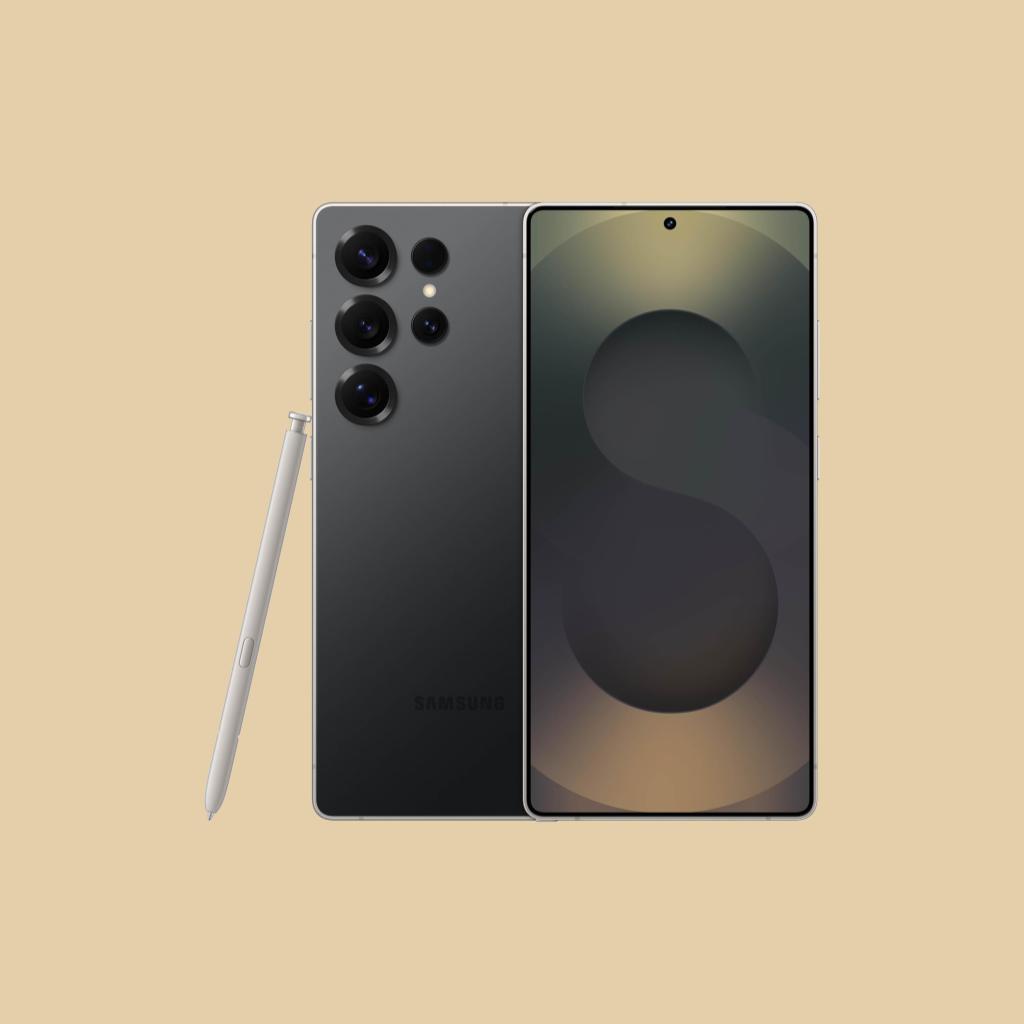
Samsung Galaxy S25 Ultra

The Samsung Galaxy S25 Ultra may have been released last year, but its specs in terms of computing power, storage, and memory are still impressive when compared to recently released smartphones. One potential drawback for some users is the screen size, which boasts a 6.9-inch QHD+ Dynamic AMOLED display—something that may feel too large for everyday use. Aside from that, this beast of a phone comes equipped with Galaxy AI, which has quickly become the norm in today’s smartphones (AI everything, right?).

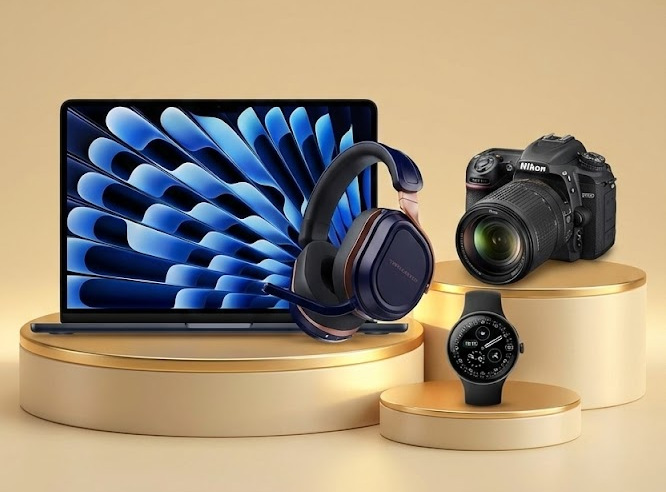
Apple 2024 MacBook Air 13-inch Laptop

While we could recommend something more powerful, such as a dedicated gaming laptop, the 2024 Apple MacBook Air remains a solid choice. It comes equipped with 8 GB of memory, 256 GB of SSD storage, and Apple’s M3 processor, which delivers strong performance for everyday tasks—unless you’re handling heavy-duty workloads or high-end gaming.

Turtle Beach Stealth 700 Gen 3 Wireless Multiplatform Amplified Gaming Headset

Choosing headphones can be tricky, but this pair stands out with its 80-hour battery life, comfortable fit, and excellent microphone performance. For work, all you really need is a reliable headset with a decent mic—and this one delivers that and more. It also offers extra features like simultaneous playback, allowing you to listen to music on your laptop while staying aware of work notifications on your phone.

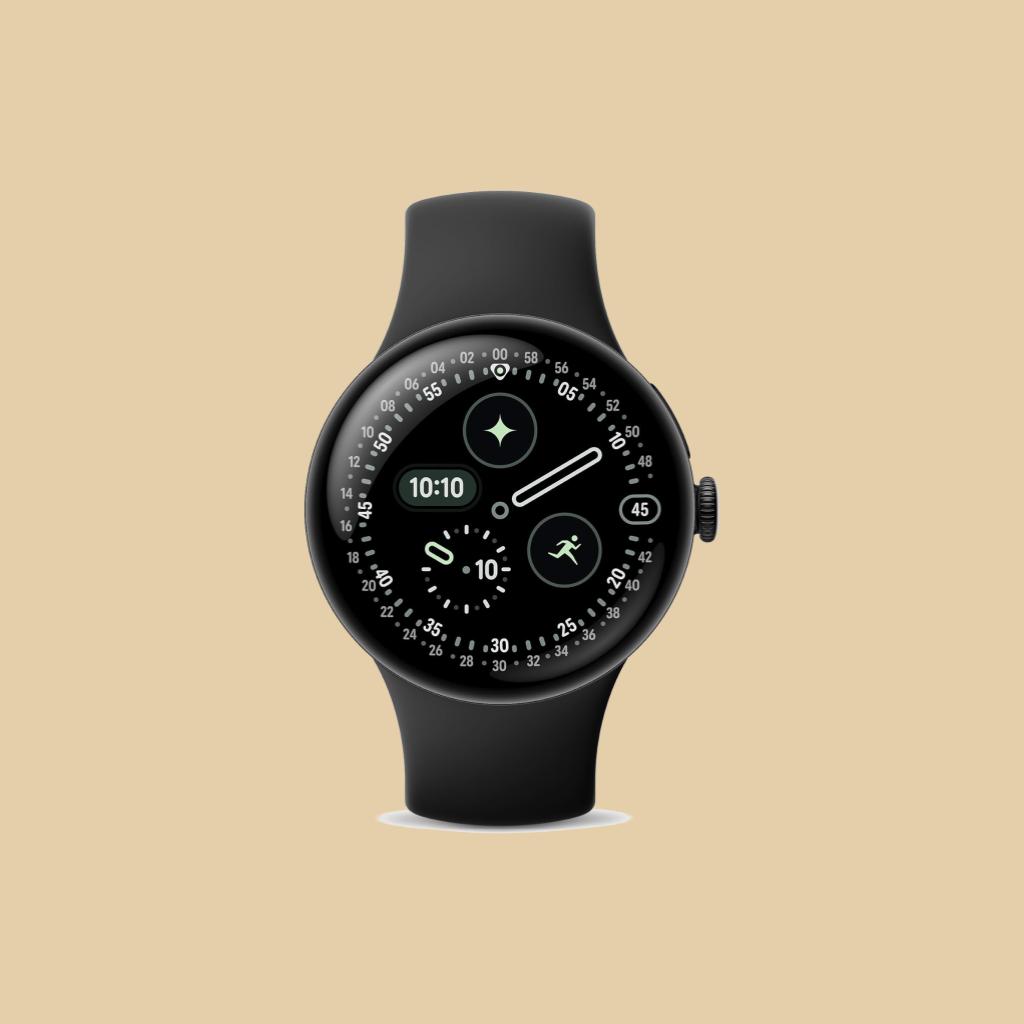
Google Pixel Watch 4

If you’re frequently on the go, tracking your fitness becomes even more important. A smartwatch helps monitor your daily activity, including steps and movement throughout the day. The Google Pixel Watch 4 also comes with Gemini as its built-in assistant. One standout feature is the integrated microphone and speaker—while it can handle calls directly from your wrist, we find it especially useful for listening to music when paired with a Bluetooth headset.

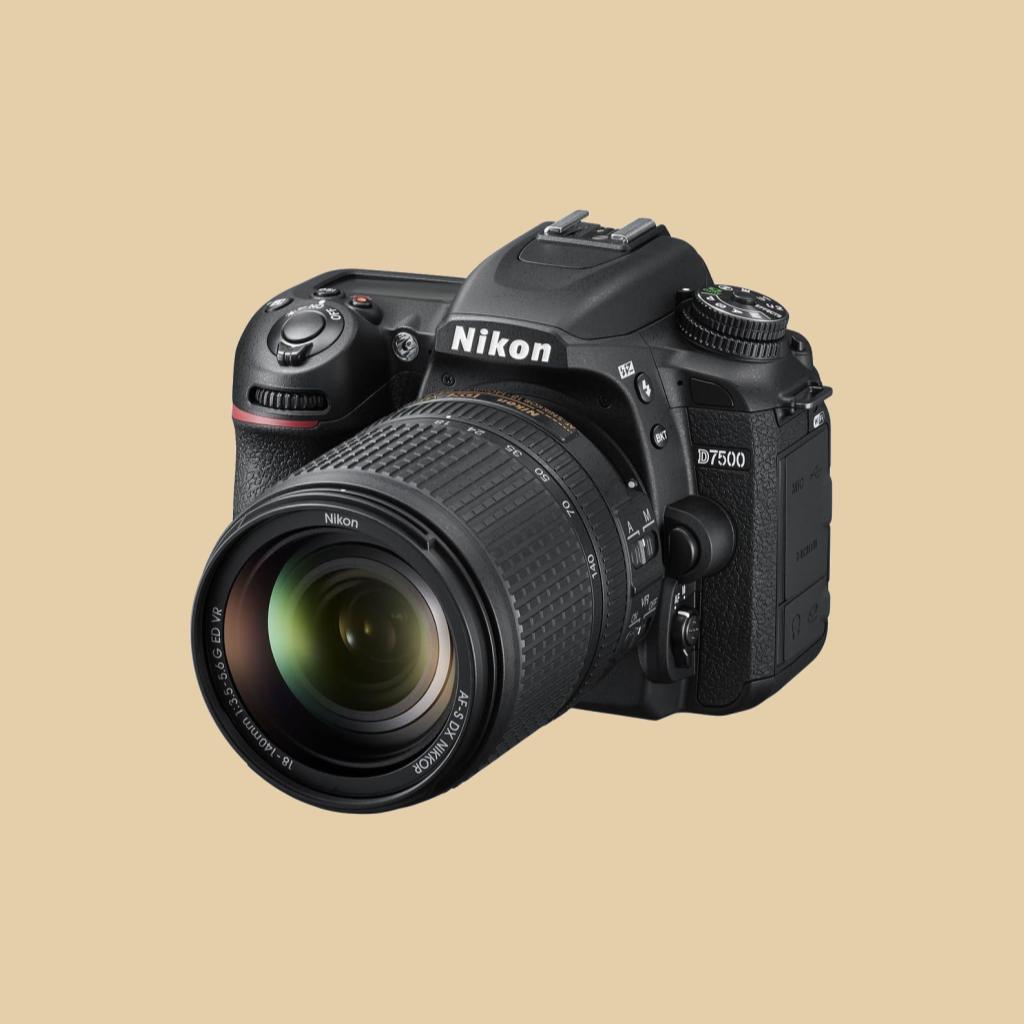
Nikon D7500 20.9MP DSLR Camera

Our final entry on the list isn’t strictly an essential—it’s more of a want than a need. Capturing moments with a dedicated camera simply makes them more memorable, and it’s an experience that isn’t quite the same when using a smartphone. Especially if your work allows or requires frequent travel, having one with you at all times makes sense. The Nikon D7500 offers a 21MP resolution, which is more than enough for most photography needs.


Student life is busy enough without hassles like paying for shipping. That’s why Amazon Prime Student is a must-have for you. For just $14.99 $7.49/month, Prime Student gets you free two-day shipping on over 100 million items, unlimited photo storage, exclusive deals, and more. Better still, it comes with a six-month free trial so you can make sure Prime Student fits your lifestyle. Join today to take advantage of membership benefits and perks tailored specifically for students! Click here to sign up now.

Hubble Glimpses Galactic Gas Making a Getaway

0

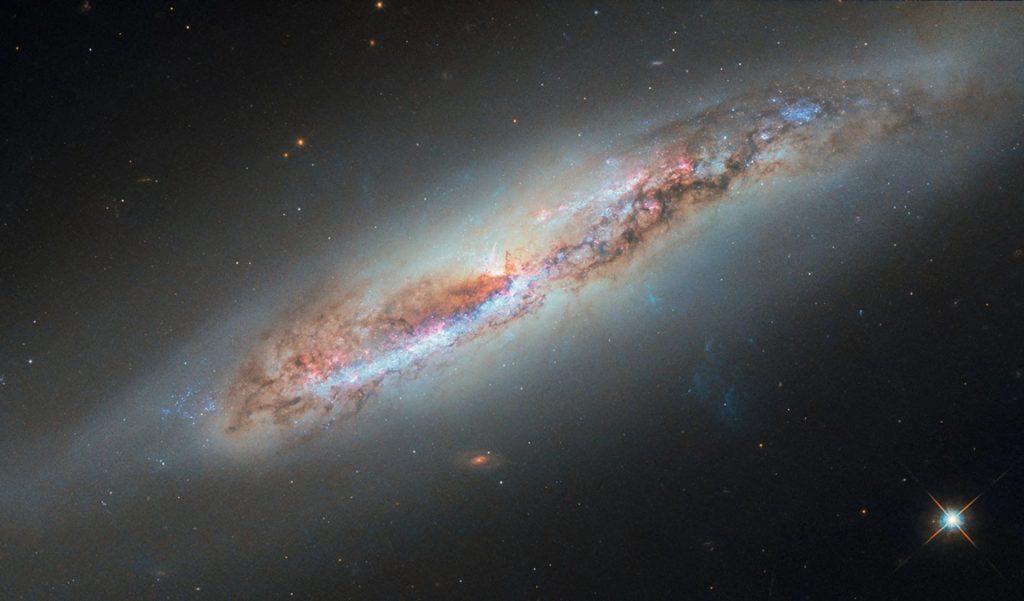
A sideways spiral galaxy shines in this NASA/ESA Hubble Space Telescope image. Located about 60 million light-years away in the constellation Virgo (the Maiden), NGC 4388 is a resident of the Virgo galaxy cluster. This enormous cluster of galaxies contains more than a thousand members and is the nearest large galaxy cluster to the Milky Way.

This NASA/ESA Hubble Space Telescope image features the galaxy NGC 4388, a member of the Virgo galaxy cluster. ESA/Hubble & NASA, S. Veilleux, J. Wang, J. Greene

NGC 4388 appears to tilt at an extreme angle relative to our point of view, giving us a nearly edge-on prospect of the galaxy. This perspective reveals a curious feature that wasn’t visible in a previous Hubble image of this galaxy released in 2016: a plume of gas from the galaxy’s nucleus, here seen billowing out from the galaxy’s disk toward the lower-right corner of the image. But where did this outflow come from, and why does it glow?

The answer likely lies in the vast stretches of space that separate the galaxies of the Virgo cluster. Though the space between galaxies appears empty, this space is occupied by hot wisps of gas called the intracluster medium. As NGC 4388 moves within the Virgo cluster, it plunges through the intracluster medium. Pressure from hot intracluster gas whisks away gas from within NGC 4388’s disk, causing it to trail behind as NGC 4388 moves.

The source of the ionizing energy that causes this gas cloud to glow is more uncertain. Researchers suspect that some of the energy comes from the center of the galaxy, where a supermassive black hole spins gas around it into a superheated disk. The blazing radiation from this disk might ionize the gas closest to the galaxy, while shock waves might be responsible for ionizing filaments of gas farther out.

This image incorporates new data, including several additional wavelengths of light, that bring the ionized gas cloud into view. The image holds data from several observing programs that aim to illuminate galaxies with active black holes at their centers.

Image credit: ESA/Hubble & NASA, S. Veilleux, J. Wang, J. Greene

By: Monika Luabeya
Originally published at: NASA

Water Droplet Science

0
NASA/Don Pettit

NASA astronaut Don Pettit demonstrates electrostatic forces using charged water droplets and a knitting needle made of Teflon. This series of overlapping frames from Feb. 19, 2025, displays the unique attraction-repulsion properties of Teflon and charged droplets, similar to how charged particles from the Sun behave when they come in contact with Earth’s magnetic field. Highly energetic particles from space that collide with atoms and molecules in the atmosphere create the aurora borealis.

Explore more of what Pettit has coined “science of opportunity.”

Image credit: NASA/Don Pettit

By: Monika Luabeya
Originally published at: NASA

Zed Approves | 12 Cool Tech You’ll Regret Missing

0

As the year comes to a close and a new one begins, it’s the perfect time to look back—and ahead—at tech gear you might have missed. From smart home innovations to healthcare devices and entertainment upgrades, these are technologies designed to improve everyday living and are worth keeping an eye on.

01. Cleaning Robot

Have you ever tried cleaning tight spaces like under a sofa or refrigerator? Cleaning robots excel at reaching these hard-to-access areas, effortlessly moving throughout the house and making quick work of everyday cleaning tasks. Most models can also be remotely controlled and monitored through a mobile app, adding convenience even when you’re away from home.

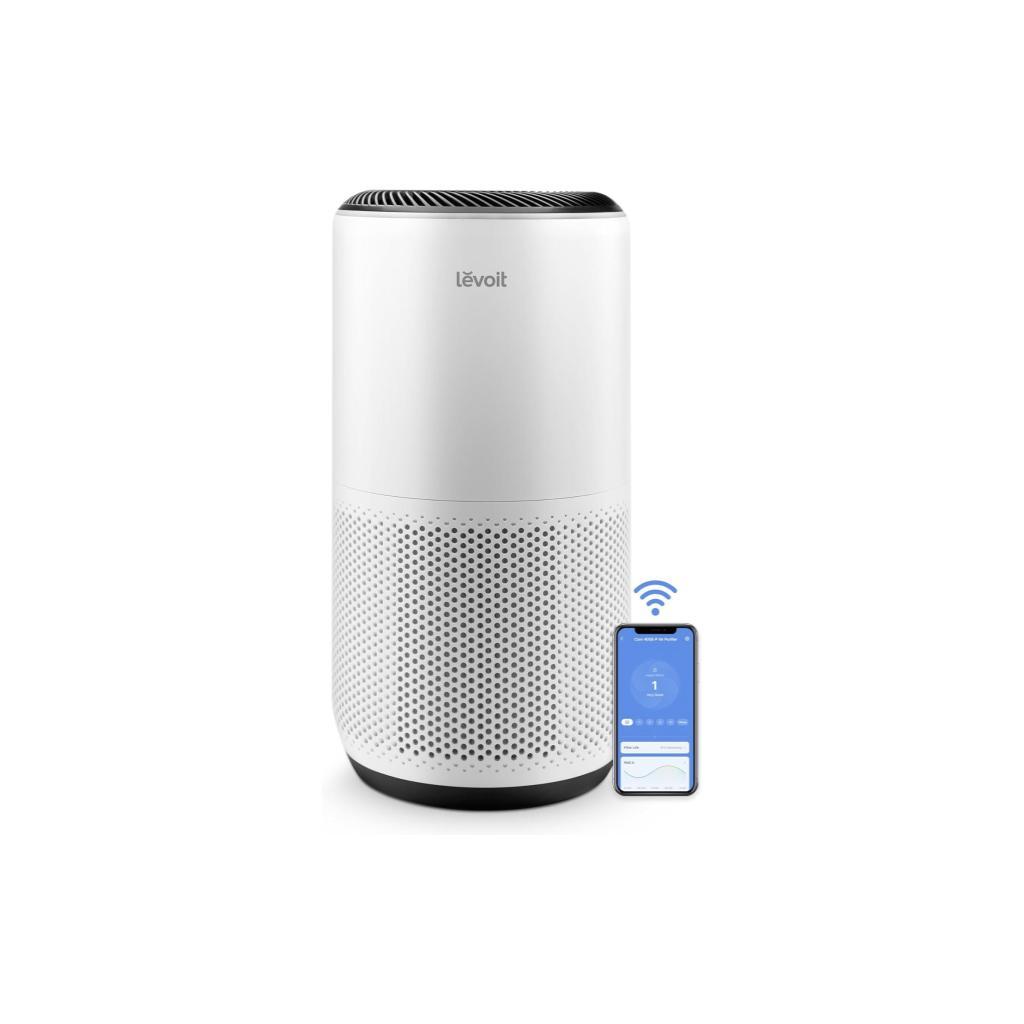
02. Air Purifier

We have a strong inclination—and possibly a bias—toward this piece of technology. As someone who has been exposed to polluted air, air purifiers have been a real blessing. They help reduce the occurrence of allergies such as pollen and pet dander, and even in non-airtight, non–air-conditioned rooms, they make a noticeable difference in preventing allergy flare-ups. They also help clean the air during and after cooking.

03. Droid

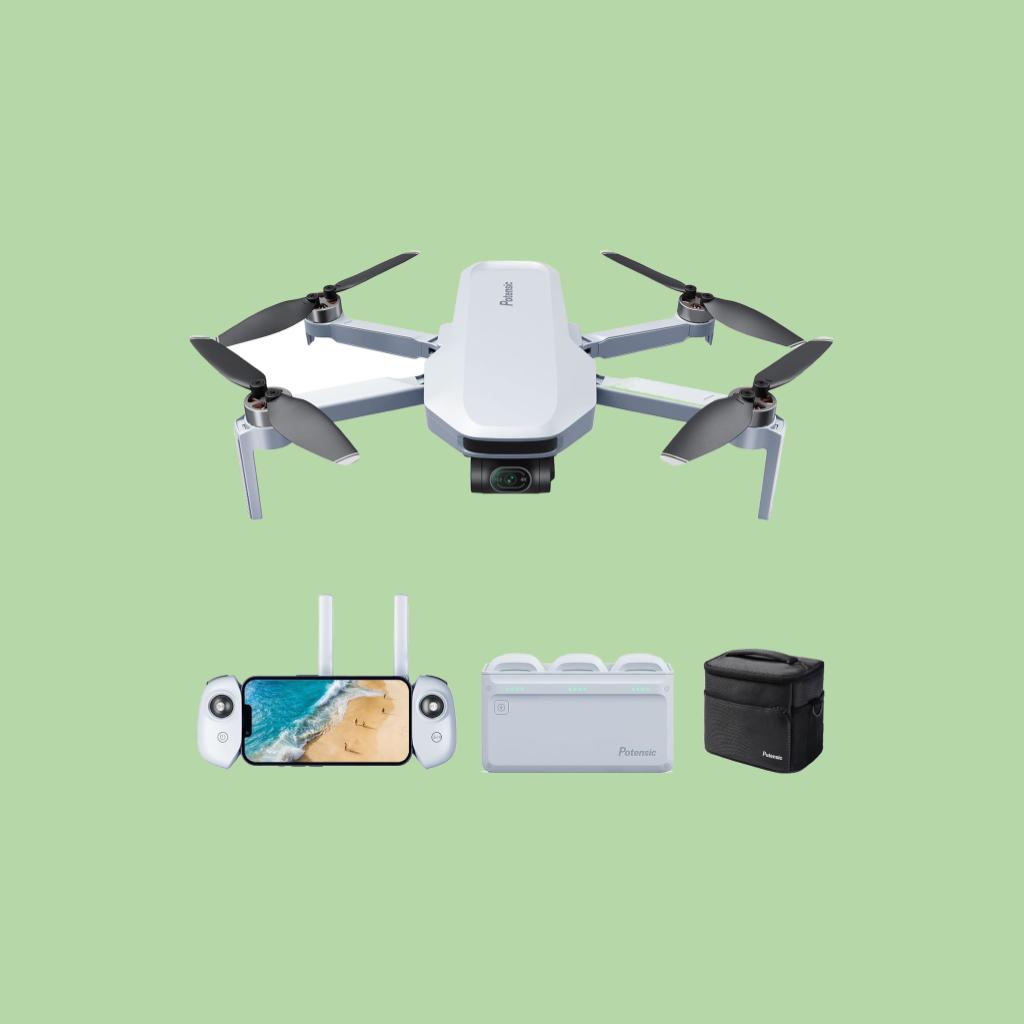
Having a drone is like having the ability to fly. The fun it provides is immeasurable, allowing you to see places and perspectives you normally can’t. But that’s just the tip of the iceberg, as drones can also be used for photography and videography, property inspections, mapping, and even creative storytelling.

04. Smartwatch

The Garmin fēnix 7X Pro is like a Swiss Army knife of smartwatches. It not only offers comprehensive health monitoring and detailed reports, but also features solar charging for extended battery life. If you want a more in-depth review of this watch, we have one available here.

05. Translation Earbuds

A big plus when traveling to a foreign country, these compact earbuds double as real-time language translators. While you could rely on your phone and manually type into Google Translate, these earbuds provide instant audio translation—and even support translated conversations during voice or video calls. The result is a smoother, more natural interaction that breaks language barriers with crystal-clear, high-fidelity audio.

06. Smartglasses

From hands-free calling to music playback, smart glasses offer a wide range of features. Models like the Ray-Ban smart glasses can even record video, adding another layer of functionality. In a nutshell, they bring some of your smartphone’s capabilities into a stylish and fashionable pair of wearable glasses.

Ray-Ban Meta Smart AI Glasses

Amazon Echo Frames Smart Glasses

07. Laptop

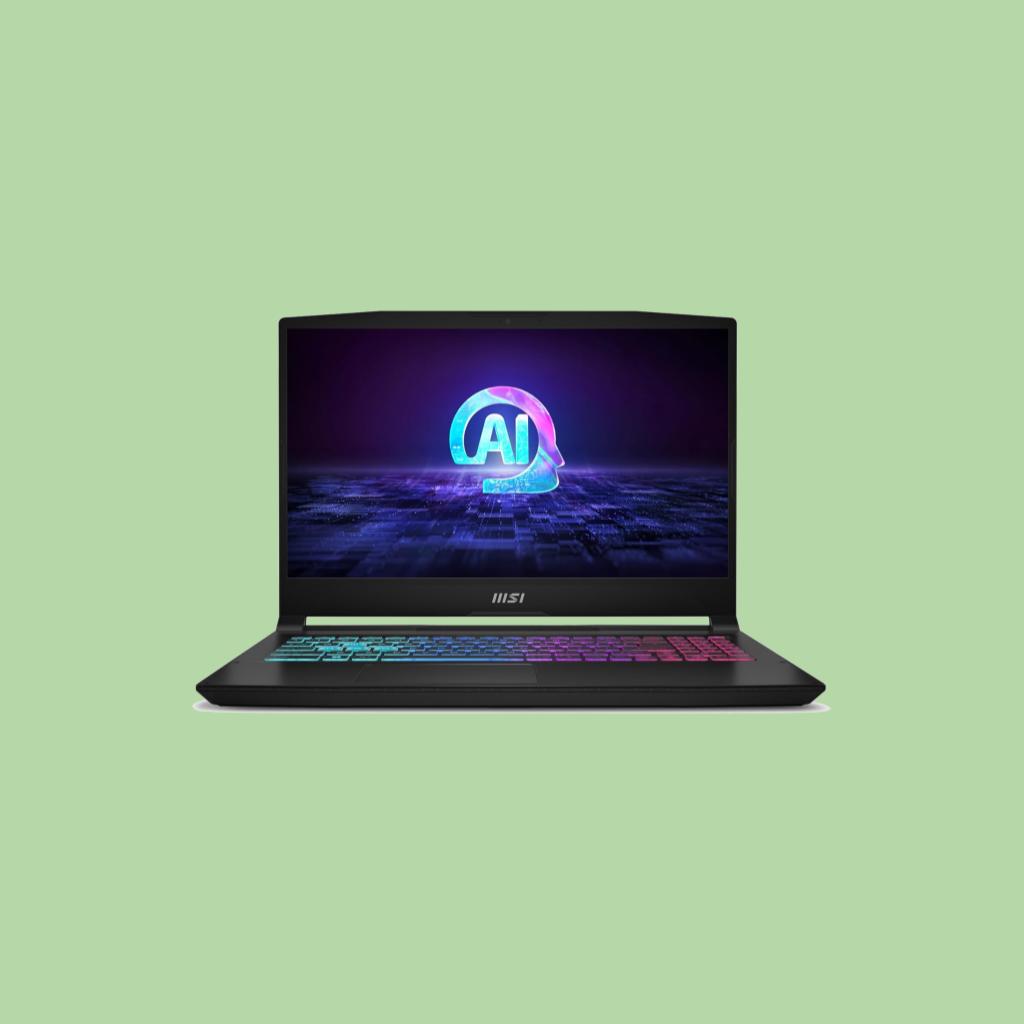
A laptop remains an essential piece of gear in today’s technology-driven world. This MSI gaming laptop is equipped with 32GB of memory, an NVIDIA RTX 4060 graphics card, an AMD Ryzen 7 processor clocked at 3.8 GHz, and a 1TB SSD. It’s a fairly powerful machine capable of running most modern games with ease.

08. VR/XR Glasses

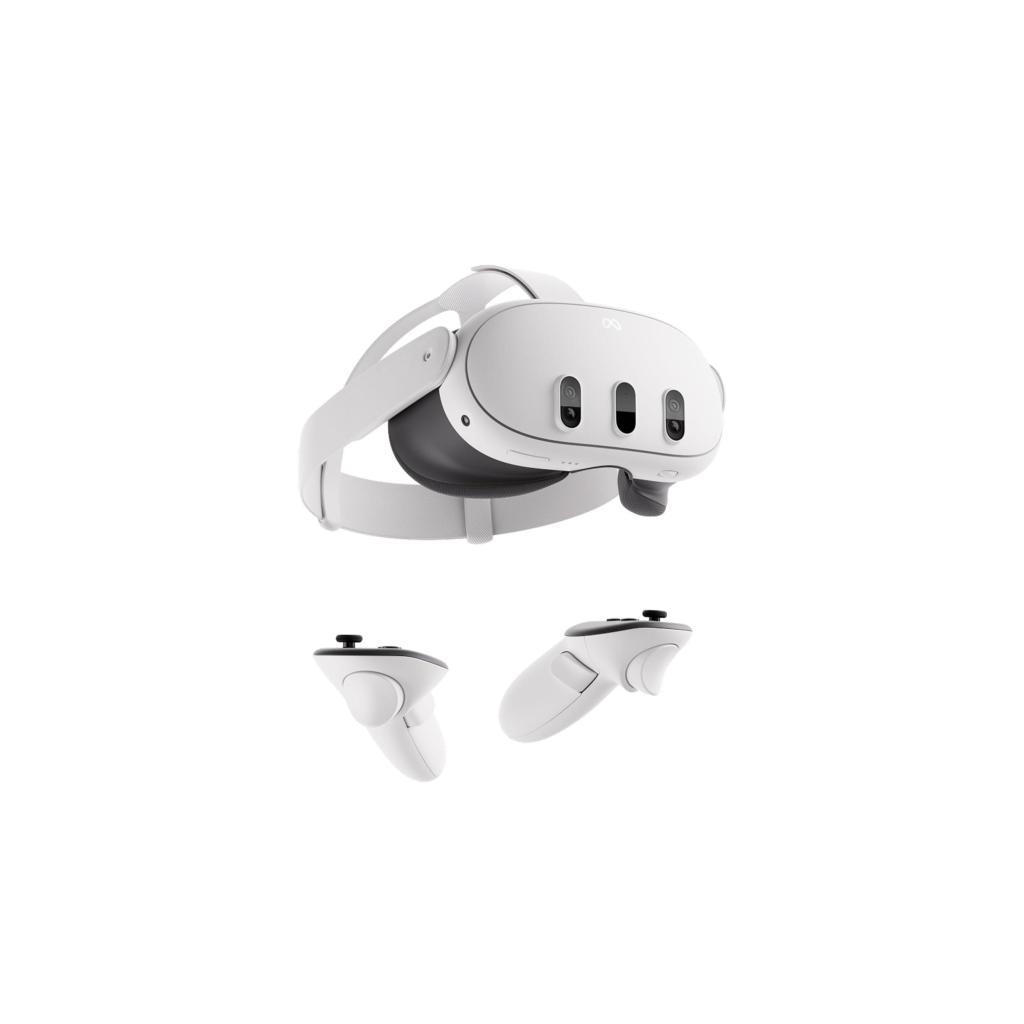
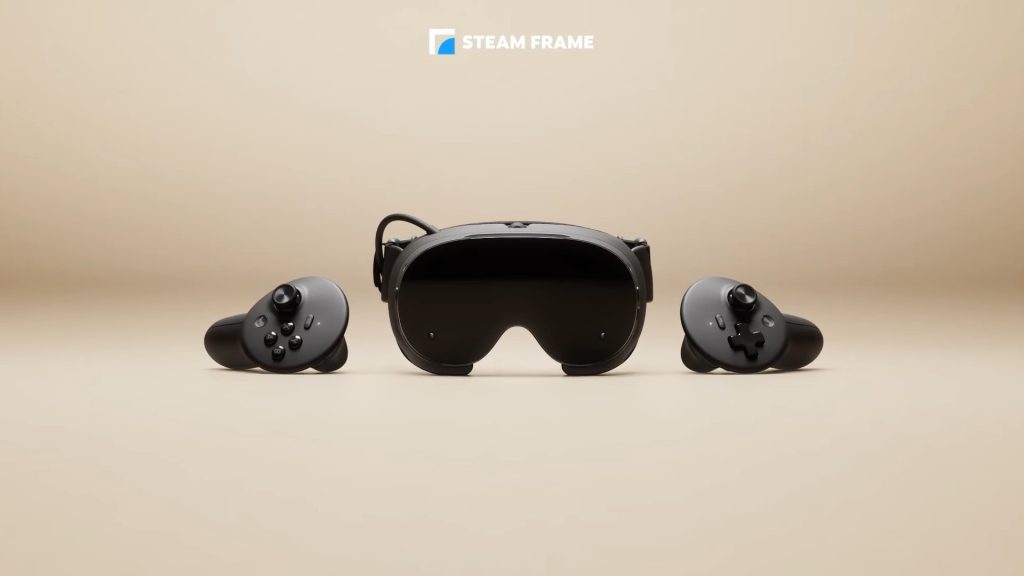
Let’s face it, VR headsets are best enjoyed through immersive games that are built specifically for the platform. These include titles like Beat Saber and Resident Evil 4 VR, which is a Quest exclusive. In the near future, Steam will also be releasing the Steam Frame. While it’s not yet available for sale, it’s definitely something to watch out for, especially if you already have a Steam account.

Meta Quest 3

Steam Frame

09. Smart Phone

While smartphones have become a common part of our daily lives, their benefits are undeniable, from communication and education to smart home control. With the proliferation of AI, you can expect intelligent features to be integrated into both current and upcoming smartphones. The Samsung Galaxy Z stands out with its foldable design, offering a unique and versatile way to use a smartphone.

10. Portable Game Console

Portability has always been a major advantage in the gaming world, especially for those constantly on the move. Whether for work, travel, or simply to play whenever they like playing on the go is always a plus. In the past, devices like the Game Boy made handheld gaming a huge hit. Today, the Steam Deck lets you play Steam games you already own, anywhere you go.

11. Digital Camera

While most smartphones already have built-in cameras, nothing beats a specialty device like a digital camera. Using one can elevate the experience of capturing memories or pursuing photography as a hobby. This particular model features a monochrome sensor, which delivers cleaner images with better highlight and shadow detail—though it captures only black-and-white photos.

12. Steam Machine

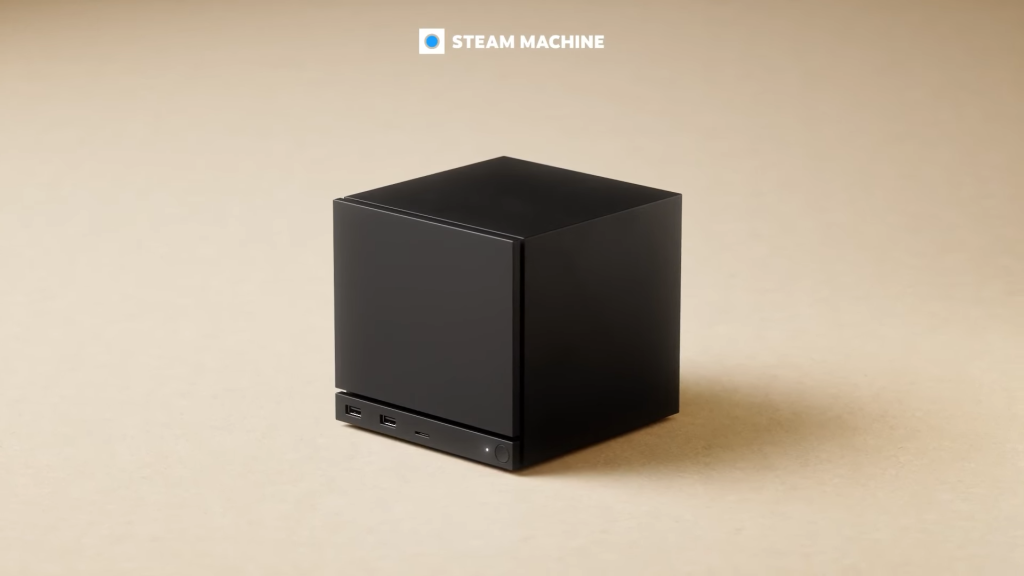
If you’re a gamer who works with Linux (especially Arch Linux) then the Steam Machine is made for you. Packaged in a compact 6-inch cube and capable of 4K gaming, this little powerhouse can handle most modern games while also taking care of work tasks. It’s set to arrive in 2026.


Student life is busy enough without hassles like paying for shipping. That’s why Amazon Prime Student is a must-have for you. For just $14.99 $7.49/month, Prime Student gets you free two-day shipping on over 100 million items, unlimited photo storage, exclusive deals, and more. Better still, it comes with a six-month free trial so you can make sure Prime Student fits your lifestyle. Join today to take advantage of membership benefits and perks tailored specifically for students! Click here to sign up now.