
Home Blog Page 8

Welcome Home! NASA’s SpaceX Crew-9 Back on Earth After Science Mission

0

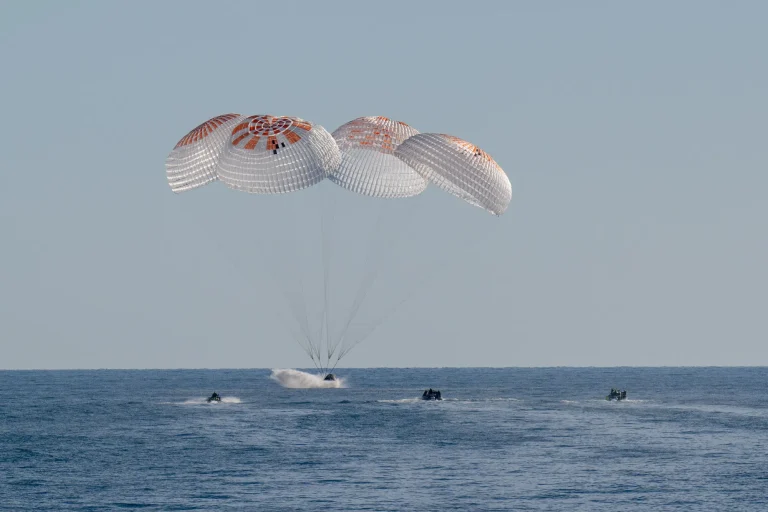
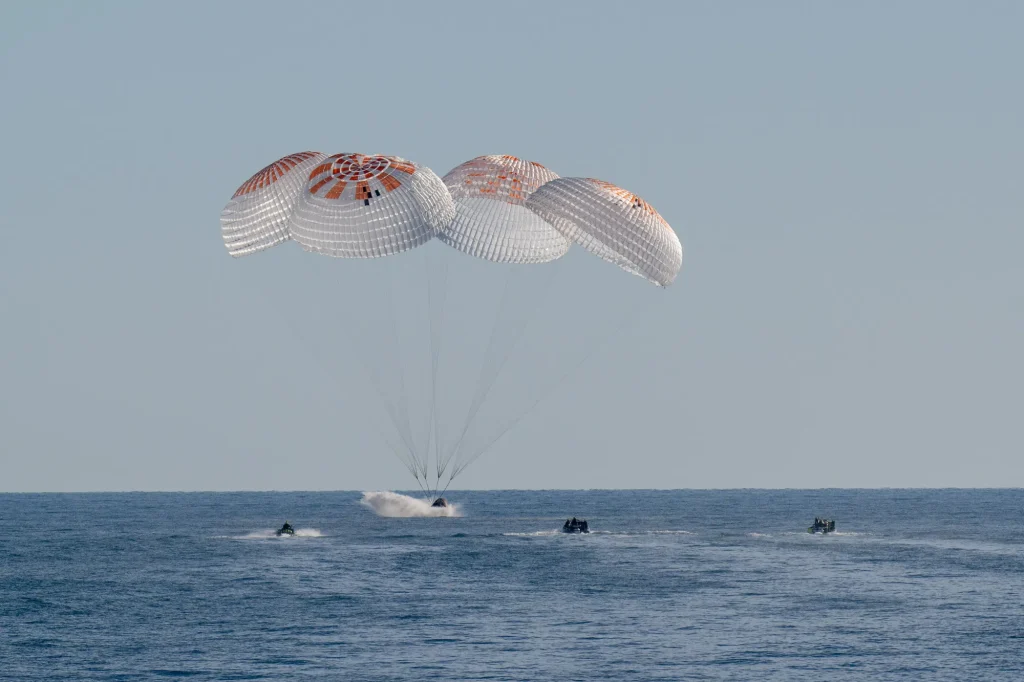
NASA’s SpaceX Crew-9 completed the agency’s ninth commercial crew rotation mission to the International Space Station on Tuesday, splashing down safely in a SpaceX Dragon spacecraft off the coast of Tallahassee, Florida, in the Gulf of America.

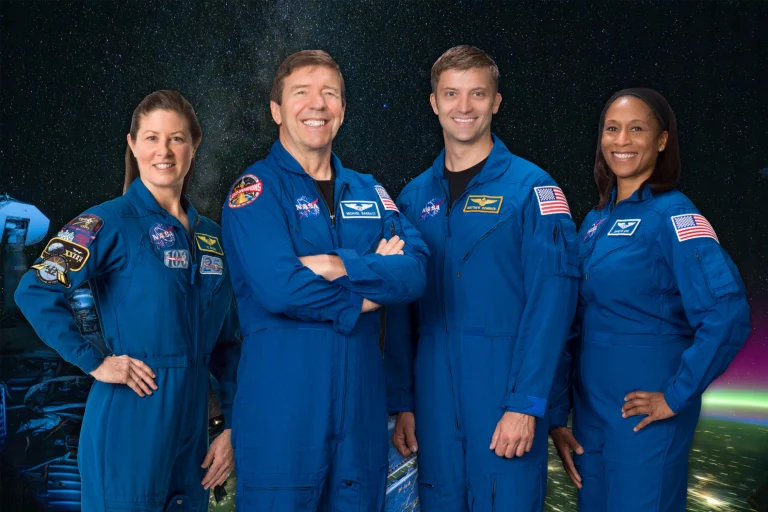
NASA astronauts Nick Hague, Suni Williams, and Butch Wilmore, and Roscosmos cosmonaut Aleksandr Gorbunov, returned to Earth at 5:57 p.m. EDT. Teams aboard SpaceX recovery vessels retrieved the spacecraft and its crew. After returning to shore, the crew will fly to NASA’s Johnson Space Center in Houston and reunite with their families.

“We are thrilled to have Suni, Butch, Nick, and Aleksandr home after their months-long mission conducting vital science, technology demonstrations, and maintenance aboard the International Space Station,” said NASA acting Administrator Janet Petro. “Per President Trump’s direction, NASA and SpaceX worked diligently to pull the schedule a month earlier. This international crew and our teams on the ground embraced the Trump Administration’s challenge of an updated, and somewhat unique, mission plan, to bring our crew home. Through preparation, ingenuity, and dedication, we achieve great things together for the benefit of humanity, pushing the boundaries of what is possible from low Earth orbit to the Moon and Mars.”

Hague and Gorbunov lifted off at 1:17 p.m. Sept. 28, 2024, on a SpaceX Falcon 9 rocket from Space Launch Complex 40 at Cape Canaveral Space Force Station in Florida. The next day, they docked to the forward-facing port of the station’s Harmony module. Williams and Wilmore launched aboard Boeing’s Starliner spacecraft and United Launch Alliance Atlas V rocket on June 5, 2024, from Space Launch Complex 41 as part of the agency’s Boeing Crew Flight Test. The duo arrived at the space station on June 6. In August, NASA announced the uncrewed return of Starliner to Earth and integrated Wilmore and Williams as part of the space station’s Expedition 71/72 for a return on Crew-9. The crew of four undocked at 1:05 a.m. Tuesday to begin the trip home.

Williams and Wilmore traveled 121,347,491 miles during their mission, spent 286 days in space, and completed 4,576 orbits around Earth. Hague and Gorbunov traveled 72,553,920 miles during their mission, spent 171 days in space, and completed 2,736 orbits around Earth. The Crew-9 mission was the first spaceflight for Gorbunov. Hague has logged 374 days in space over his two missions, Williams has logged 608 days in space over her three flights, and Wilmore has logged 464 days in space over his three flights.

Throughout its mission, Crew-9 contributed to a host of science and maintenance activities and technology demonstrations. Williams conducted two spacewalks, joined by Wilmore for one and Hague for another, removing a radio frequency group antenna assembly from the station’s truss, collecting samples from the station’s external surface for analysis, installing patches to cover damaged areas of light filters on an X-ray telescope, and more. Williams now holds the record for total spacewalking time by a female astronaut, with 62 hours and 6 minutes outside of station, and is fourth on the all-time spacewalk duration list.

The American crew members conducted more than 150 unique scientific experiments and technology demonstrations between them, with over 900 hours of research. This research included investigations on plant growth and quality, as well as the potential of stem cell technology to address blood diseases, autoimmune disorders, and cancers. They also tested lighting systems to help astronauts maintain circadian rhythms, loaded the first wooden satellite for deployment, and took samples from the space station’s exterior to study whether microorganisms can survive in space.

The Crew-9 mission was the fourth flight of the Dragon spacecraft named Freedom. It also previously supported NASA’s SpaceX Crew-4, Axiom Mission 2, and Axiom Mission 3. The spacecraft will return to Florida for inspection and processing at SpaceX’s refurbishing facility at Cape Canaveral Space Force Station, where teams will inspect the Dragon, analyze data on its performance, and begin processing for its next flight.

The Crew-9 flight is part of NASA’s Commercial Crew Program, and its return to Earth follows on the heels of NASA’s SpaceX Crew-10 launch, which docked to the station on March 16, beginning another long-duration science expedition.

The goal of NASA’s Commercial Crew Program is safe, reliable, and cost-effective transportation to and from the space station and low Earth orbit. The program provides additional research time and has increased opportunities for discovery aboard humanity’s microgravity testbed for exploration, including helping NASA prepare for human exploration of the Moon and Mars.

Learn more about NASA’s Commercial Crew Program at:

https://www.nasa.gov/commercialcrew

-end-

Amber Jacobson / Joshua Finch
Headquarters, Washington
202-358-1100
[email protected] / [email protected]

Kenna Pell / Sandra Jones
Johnson Space Center, Houston
281-483-5111
[email protected] / [email protected]

Steve Siceloff / Stephanie Plucinsky
Kennedy Space Center, Florida
321-867-2468
[email protected] / [email protected]

By:Jessica Taveau
Originally published at: NASA
NASA Invites Media to Annual FIRST Robotics Rocket City Competition

0

The Rocket City Regional – Alabama’s annual For Inspiration and Recognition of Science and Technology (FIRST) Robotics Regional Competition – is scheduled for Friday, March 14, through Saturday, March 15, at the Von Braun Center South Hall in Huntsville, Alabama. 

FIRST Robotics is a global robotics competition for students in grades 9-12. Teams are challenged to raise funds, design a team brand, hone teamwork skills, and build and program industrial-sized robots to play a difficult field game against competitors. 

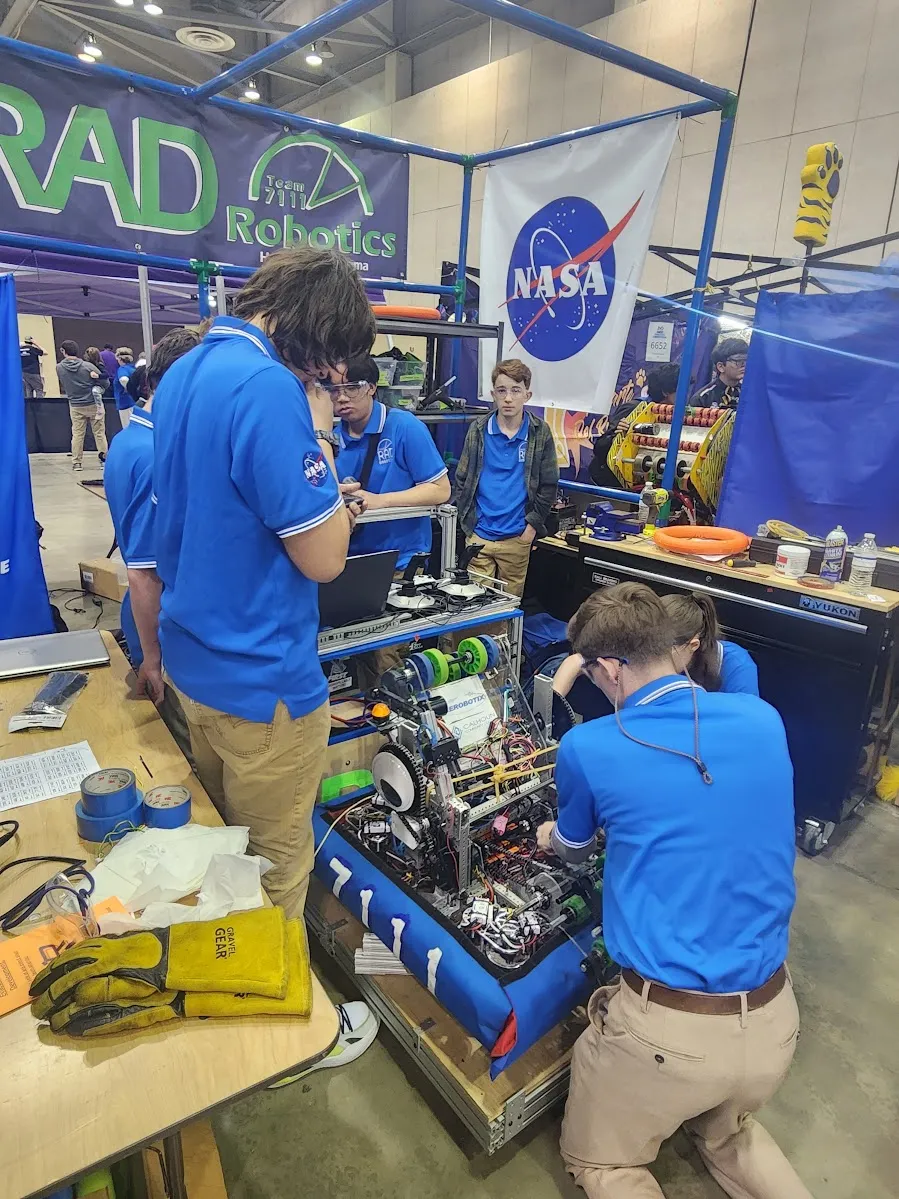
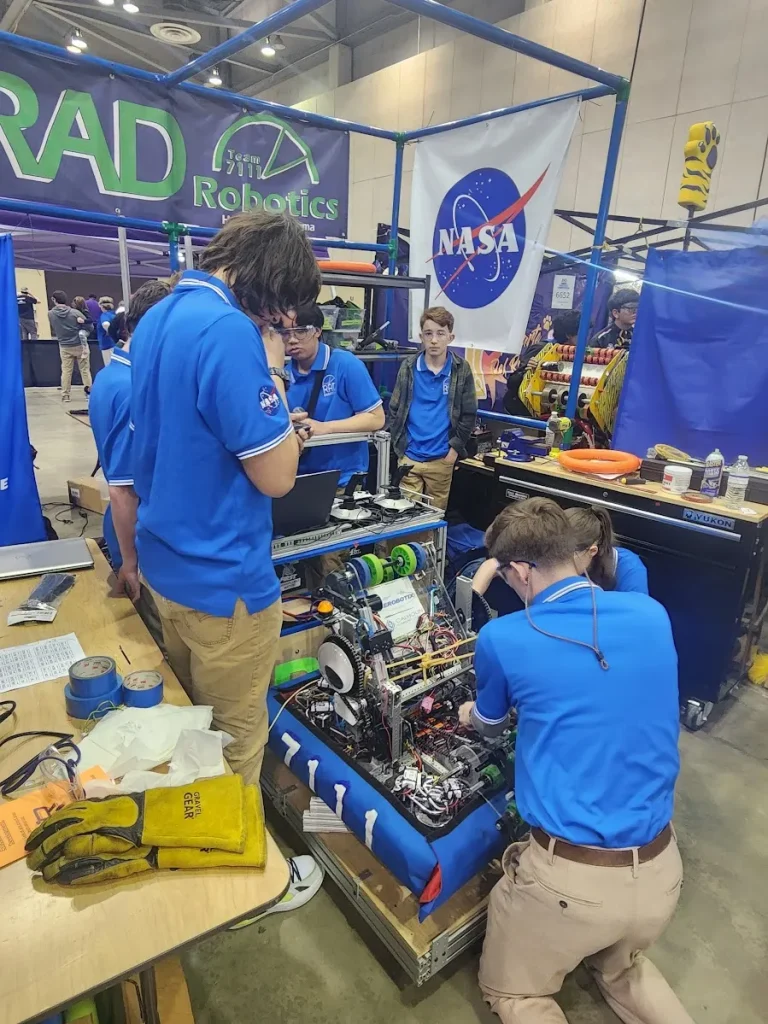
Students from RAD Robotics Team 7111 – a FIRST Robotics team from Huntsville, Alabama, and sponsored by NASA’s Marshall Space Flight Center – make adjustments to their robot during the 2024 Rocket City Regional FIRST Robotics Competition in Huntsville.

District and regional competitions – such as the Rocket City Regional – are held across the country during March and April, providing teams a chance to qualify for the 2025 FIRST Robotics Competition Championship events held in mid-April in Houston.

Hundreds of high school students from 44 teams from 10 states and 2 countries will compete in a new robotics game called, “REEFSCAPE.” 

This event is free and open to the public. Opening ceremonies begin at 8:30 a.m. CDT followed by qualification matches on March 14 and March 15. The Friday awards ceremony will begin at 5:45 p.m., while the Saturday awards ceremony will begin at 1:30 p.m.

NASA and its Robotics Alliance Project provide grants for high school teams and support for FIRST Robotics competitions to address the critical national shortage of students pursuing STEM (Science, Technology, Engineering, and Mathematics) careers. The Rocket City Regional Competition is supported by NASA’s Marshall Space Flight Center in Huntsville, Alabama, and NASA’s Office of STEM Engagement. 

News media interested in covering this event should respond no later than 4 p.m. on Thursday, March 13 by contacting Taylor Goodwin at 256-544-0034 or [email protected]

Learn more about the Rocket City Regional event: 

https://www.firstinspires.org/team-event-search/event?id=72593

Find more information about Marshall’s support for education programs:

https://www.nasa.gov/marshall/marshall-stem-engagement

Taylor Goodwin 
256-544-0034
Marshall Space Flight Center, Huntsville, Alabama
[email protected]

By: Beth Ridgeway
Originally published at: NASA

Source: zedreviews.com

Study: Climate change will reduce the number of satellites that can safely orbit in space

0

Increasing greenhouse gas emissions will reduce the atmosphere’s ability to burn up old space junk, MIT scientists report.

Jennifer Chu | MIT News
https://news.mit.edu/2025/study-climate-change-will-reduce-number-satellites-safely-orbit-space-0310

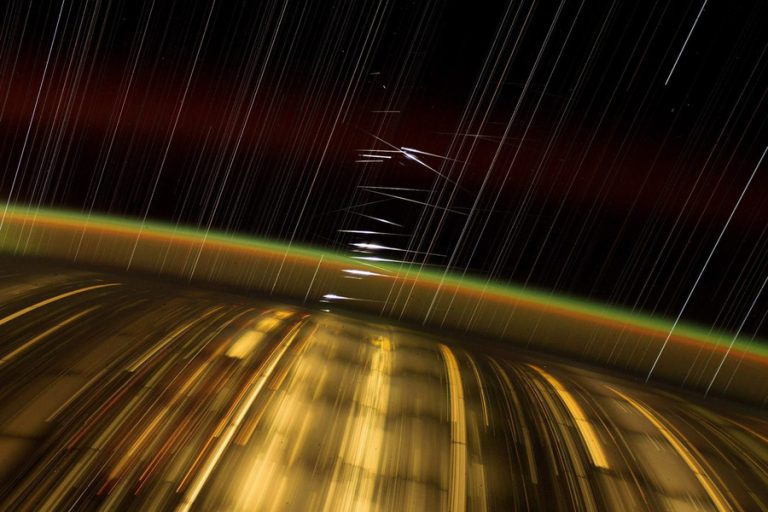
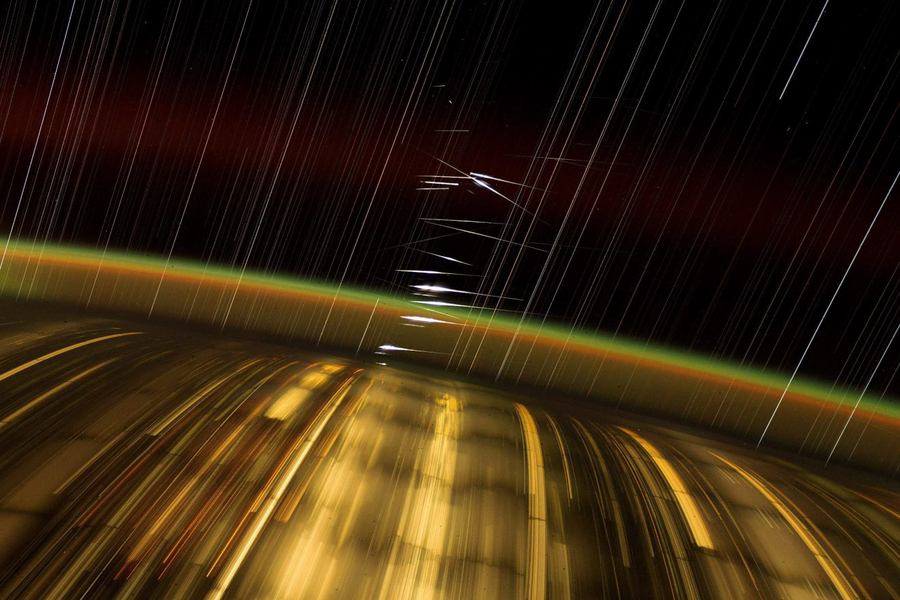
Caption:Captured by astronaut Don Pettit aboard the International Space Station (ISS), this long-exposure photograph showcases Earth’s city lights, the upper atmosphere’s airglow, and streaked stars. The bright flashes at the center are reflections of sunlight from SpaceX’s Starlink satellites in low-Earth orbit. Credits:Credit: NASA

MIT aerospace engineers have found that greenhouse gas emissions are changing the environment of near-Earth space in ways that, over time, will reduce the number of satellites that can sustainably operate there.

In a study appearing today in Nature Sustainability, the researchers report that carbon dioxide and other greenhouse gases can cause the upper atmosphere to shrink. An atmospheric layer of special interest is the thermosphere, where the International Space Station and most satellites orbit today. When the thermosphere contracts, the decreasing density reduces atmospheric drag — a force that pulls old satellites and other debris down to altitudes where they will encounter air molecules and burn up.

Less drag therefore means extended lifetimes for space junk, which will litter sought-after regions for decades and increase the potential for collisions in orbit.

The team carried out simulations of how carbon emissions affect the upper atmosphere and orbital dynamics, in order to estimate the “satellite carrying capacity” of low Earth orbit. These simulations predict that by the year 2100, the carrying capacity of the most popular regions could be reduced by 50-66 percent due to the effects of greenhouse gases.

“Our behavior with greenhouse gases here on Earth over the past 100 years is having an effect on how we operate satellites over the next 100 years,” says study author Richard Linares, associate professor in MIT’s Department of Aeronautics and Astronautics (AeroAstro).

“The upper atmosphere is in a fragile state as climate change disrupts the status quo,” adds lead author William Parker, a graduate student in AeroAstro. “At the same time, there’s been a massive increase in the number of satellites launched, especially for delivering broadband internet from space. If we don’t manage this activity carefully and work to reduce our emissions, space could become too crowded, leading to more collisions and debris.”

The study includes co-author Matthew Brown of the University of Birmingham.

Sky fall

The thermosphere naturally contracts and expands every 11 years in response to the sun’s regular activity cycle. When the sun’s activity is low, the Earth receives less radiation, and its outermost atmosphere temporarily cools and contracts before expanding again during solar maximum.

In the 1990s, scientists wondered what response the thermosphere might have to greenhouse gases. Their preliminary modeling showed that, while the gases trap heat in the lower atmosphere, where we experience global warming and weather, the same gases radiate heat at much higher altitudes, effectively cooling the thermosphere. With this cooling, the researchers predicted that the thermosphere should shrink, reducing atmospheric density at high altitudes.

In the last decade, scientists have been able to measure changes in drag on satellites, which has provided some evidence that the thermosphere is contracting in response to something more than the sun’s natural, 11-year cycle.

“The sky is quite literally falling — just at a rate that’s on the scale of decades,” Parker says. “And we can see this by how the drag on our satellites is changing.”

The MIT team wondered how that response will affect the number of satellites that can safely operate in Earth’s orbit. Today, there are over 10,000 satellites drifting through low Earth orbit, which describes the region of space up to 1,200 miles (2,000 kilometers), from Earth’s surface. These satellites deliver essential services, including internet, communications, navigation, weather forecasting, and banking. The satellite population has ballooned in recent years, requiring operators to perform regular collision-avoidance maneuvers to keep safe. Any collisions that do occur can generate debris that remains in orbit for decades or centuries, increasing the chance for follow-on collisions with satellites, both old and new.

“More satellites have been launched in the last five years than in the preceding 60 years combined,” Parker says. “One of key things we’re trying to understand is whether the path we’re on today is sustainable.”

Crowded shells

In their new study, the researchers simulated different greenhouse gas emissions scenarios over the next century to investigate impacts on atmospheric density and drag. For each “shell,” or altitude range of interest, they then modeled the orbital dynamics and the risk of satellite collisions based on the number of objects within the shell. They used this approach to identify each shell’s “carrying capacity” — a term that is typically used in studies of ecology to describe the number of individuals that an ecosystem can support.

“We’re taking that carrying capacity idea and translating it to this space sustainability problem, to understand how many satellites low Earth orbit can sustain,” Parker explains.

The team compared several scenarios: one in which greenhouse gas concentrations remain at their level from the year 2000 and others where emissions change according to the Intergovernmental Panel on Climate Change (IPCC) Shared Socioeconomic Pathways (SSPs). They found that scenarios with continuing increases in emissions would lead to a significantly reduced carrying capacity throughout low Earth orbit.

In particular, the team estimates that by the end of this century, the number of satellites safely accommodated within the altitudes of 200 and 1,000 kilometers could be reduced by 50 to 66 percent compared with a scenario in which emissions remain at year-2000 levels. If satellite capacity is exceeded, even in a local region, the researchers predict that the region will experience a “runaway instability,” or a cascade of collisions that would create so much debris that satellites could no longer safely operate there.

Their predictions forecast out to the year 2100, but the team says that certain shells in the atmosphere today are already crowding up with satellites, particularly from recent “megaconstellations” such as SpaceX’s Starlink, which comprises fleets of thousands of small internet satellites.

“The megaconstellation is a new trend, and we’re showing that because of climate change, we’re going to have a reduced capacity in orbit,” Linares says. “And in local regions, we’re close to approaching this capacity value today.”

“We rely on the atmosphere to clean up our debris. If the atmosphere is changing, then the debris environment will change too,” Parker adds. “We show the long-term outlook on orbital debris is critically dependent on curbing our greenhouse gas emissions.”

This research is supported, in part, by the U.S. National Science Foundation, the U.S. Air Force, and the U.K. Natural Environment Research Council.

Reprinted with permission of MIT News
http://news.mit.edu/

The Unexpected Pi-Fect Deals This March 14

0

If you love pie, you might be lost and found this by mistake. But, if you love the mathematical constant number Pi (3.14) and looking for deals, then stay a while and check out these bargains.

Laptop

Everybody needs a laptop. Whether it’s for yourself or a gift to others.

Backpack Bag

Now if you purchased a laptop, it would be only proper to match it with a bag for safety.

Smart Watch

Cherish your daily activities and act like you are raising a character in a game by watching your own stats with a smart watch.

Electric Fan

It’s summer time! Too cold and expensive for an ACU? Hassle to use a manual hand fan? An electric fan is just the right middle ground for you then.


Get the most out of your shopping with an Amazon Prime membership! Sign up now to enjoy free one-day delivery, unlimited streaming, exclusive deals, membership perks and more. Sign up today to enjoy a 30-day free trial and if you’re a student enjoy up to 6 months free trial. Click here to signup now!

Source: zedreviews.com

Five Facts About NASA’s Moon Bound Technology

0

NASA is sending revolutionary technologies to the Moon aboard Intuitive Machines’ second lunar delivery as part of the agency’s CLPS (Commercial Lunar Payload Services) initiative and Artemis campaign to establish a long-term presence on the lunar surface. 

As part of this CLPS flight to the Moon, NASA’s Space Technology Mission Directorate will test novel technologies to learn more about what lies beneath the lunar surface, explore its challenging terrain, and improve in-space communication.  

The launch window for Intuitive Machines’ second CLPS delivery, IM-2, opens no earlier than Wednesday, Feb. 26 from Launch Complex 39A at NASA’s Kennedy Space Center in Florida. After the Intuitive Machines’ Nova-C class lunar lander reaches Mons Mouton, a lunar plateau near the Moon’s South Pole region, it will deploy several NASA and commercial technologies including a drill and mass spectrometer, a new cellular communication network, and a small drone that will survey difficult terrain before returning valuable data to Earth.

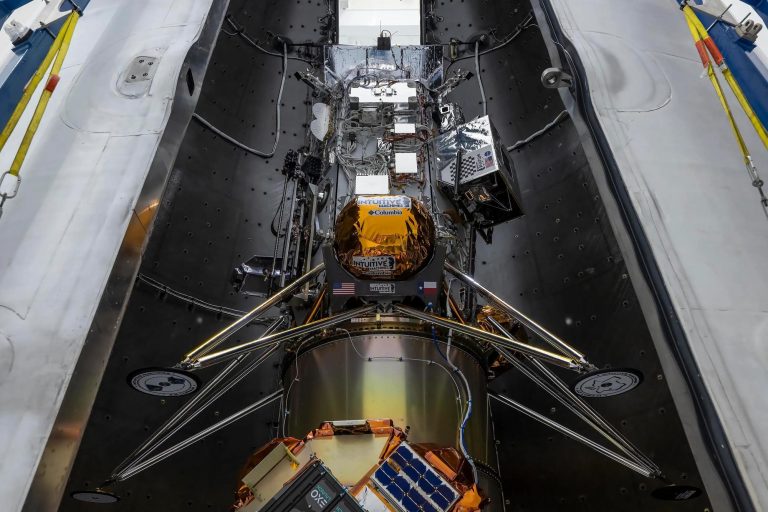
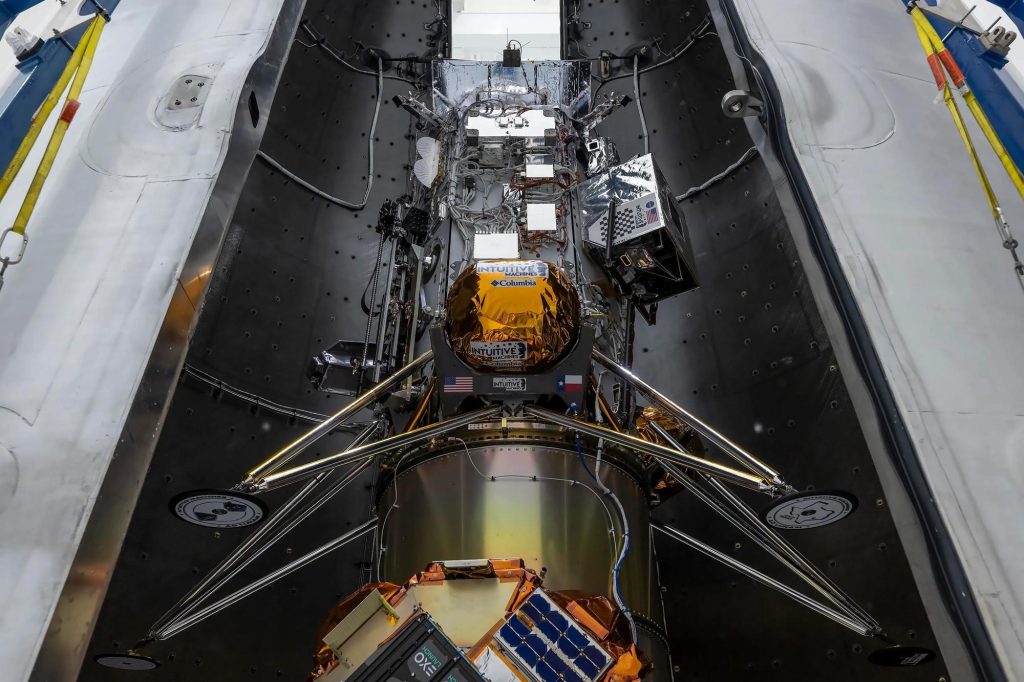
Caption: The Intuitive Machines lunar lander that will deliver NASA science and technology to the Moon as part of the agency’s CLPS (Commercial Lunar Payload Services) initiative and Artemis campaign is encapsulated in the fairing of the SpaceX Falcon 9 rocket. Credit: SpaceX

Here are five things to know about this unique mission to the Moon, the technologies we are sending, and the teams making it happen!  

1. Lunar South Pole Exploration 

IM-2’s landing site is known as one of the flatter regions in the South Pole region, suitable to meet Intuitive Machines’ requirement for a lit landing corridor and acceptable terrain slope. The landing location was selected by Intuitive Machines using data acquired by NASA’s Lunar Reconnaissance Orbiter.  

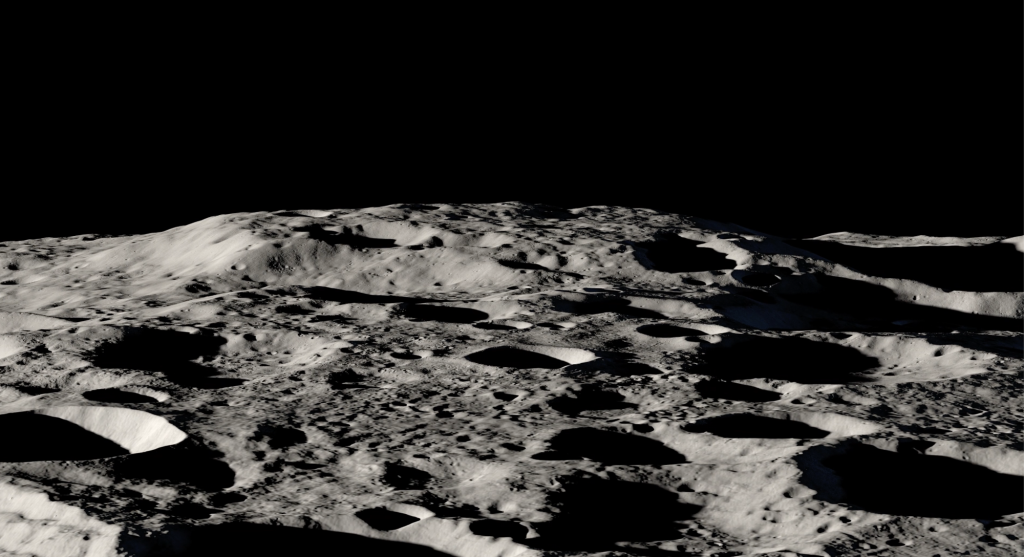
An illustration of Mons Mouton, a mesa-like lunar mountain that towers above the landscape carved by craters near the Moon’s South Pole. Credit: NASA/Scientific Visualization Studio

2. New Technology Demonstrations 

NASA’s Polar Resources Ice Mining Experiment, known as PRIME-1, is a suite of two instruments – a drill and mass spectrometer – designed to demonstrate our capability to look for ice and other resources that could be extracted and used to produce propellant and breathable oxygen for future explorers. The PRIME-1 technology will dig up to about three feet below the surface into the lunar soil where it lands, gaining key insight into the soil’s characteristics and temperature while detecting other resources that may lie beneath the surface.  

Data from the PRIME-1 technology demonstration will be made available to the public following the mission, enabling partners to accelerate the development of new missions and innovative technologies.   

The Polar Resources Ice Mining Experiment-1 (PRIME-1) will help scientists search for water at the lunar South Pole. Credit: NASA/Advanced Concepts Lab

3. Mobile Robots

Upon landing on the lunar surface, two commercial Tipping Point technology demonstrations will be deployed near Intuitive Machines’ lander, Tipping Points are collaborations between NASA’s Space Technology Mission Directorate and industry that foster the development of commercial space capabilities and benefit future NASA missions. 

The first is a small hopping drone developed by Intuitive Machines. The hopper, named Grace, will deploy as a secondary payload from the lander and enable high-resolution surveying of the lunar surface, including permanently shadowed craters around the landing site. Grace is designed to bypass obstacles such as steep inclines, boulders, and craters to cover a lot of terrain while moving quickly, which is a valuable capability to support future missions on the Moon and other planets, including Mars. 

Artist rendering of the Intuitive Machines Micro Nova Hopper. Credit: Intuitive Machines

4. Lunar Surface Communication

The next Tipping Point technology will test a Lunar Surface Communications System developed by Nokia. This system employs the same cellular technology used here on Earth, reconceptualized by Nokia Bell Labs to meet the unique requirements of a lunar mission. The Lunar Surface Communications System will demonstrate proximity communications between the lander, a Lunar Outpost rover, and the hopper. 

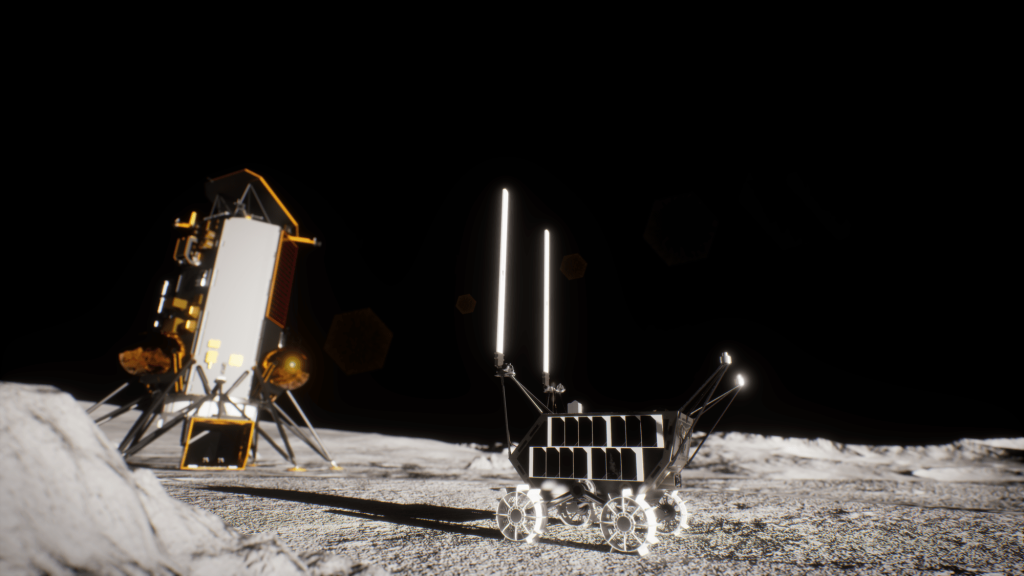
Artist rendering of Nokia’s Lunar Surface Communication System (LSCS), which aims to demonstrate cellular-based communications on the lunar surface. Credit: Intuitive Machines

5. Working Together

NASA is working with several U.S. companies to deliver technology and science to the lunar surface through the agency’s CLPS initiative.  

NASA’s Space Technology Mission Directorate plays a unique role in the IM-2 mission by strategically combining CLPS with NASA’s Tipping Point mechanism to maximize the potential benefit of this mission to NASA, industry, and the nation.  
NASA’s Lunar Surface Innovation Initiative and Game Changing Development program within the agency’s Space Technology Mission Directorate led the maturation, development, and implementation of pivotal in-situ resource utilization, communication, and mobility technologies flying on IM-2.  

Join NASA to watch full mission updates, from launch to landing on NASA+, and share your experience on social media. Mission updates will be made available on NASA’s Artemis blog.  

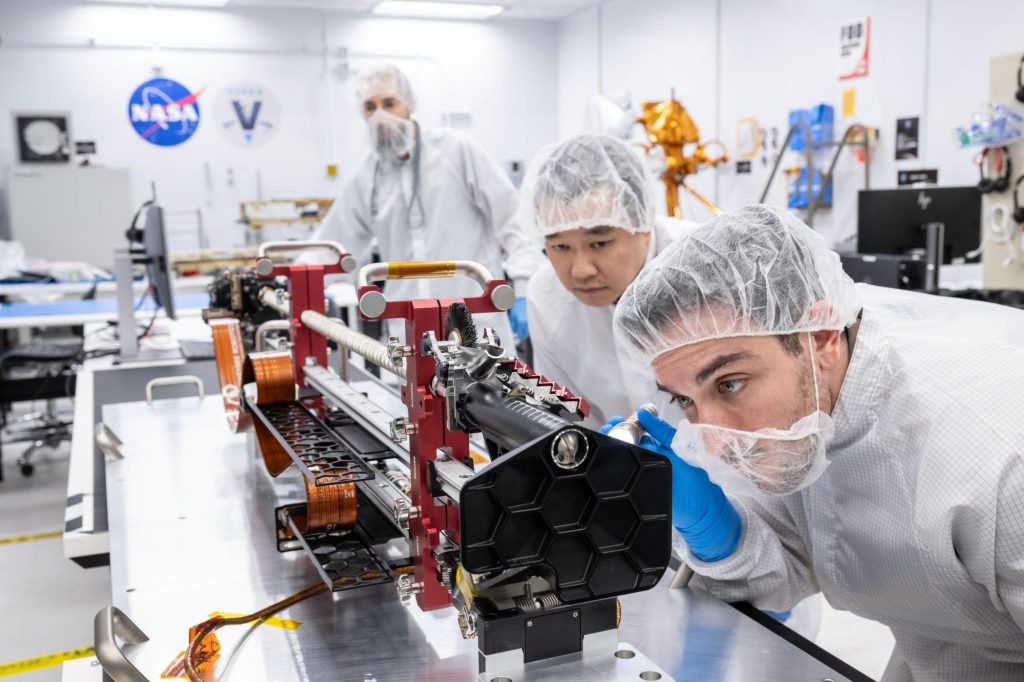
A team of engineers from NASA’s Johnson Space Center in Houston and Honeybee Robotics in Altadena, California inspect TRIDENT – short for The Regolith Ice Drill for Exploring New Terrain – shortly after its arrival at the integration and test facility. Credit: NASA/Robert Markowitz
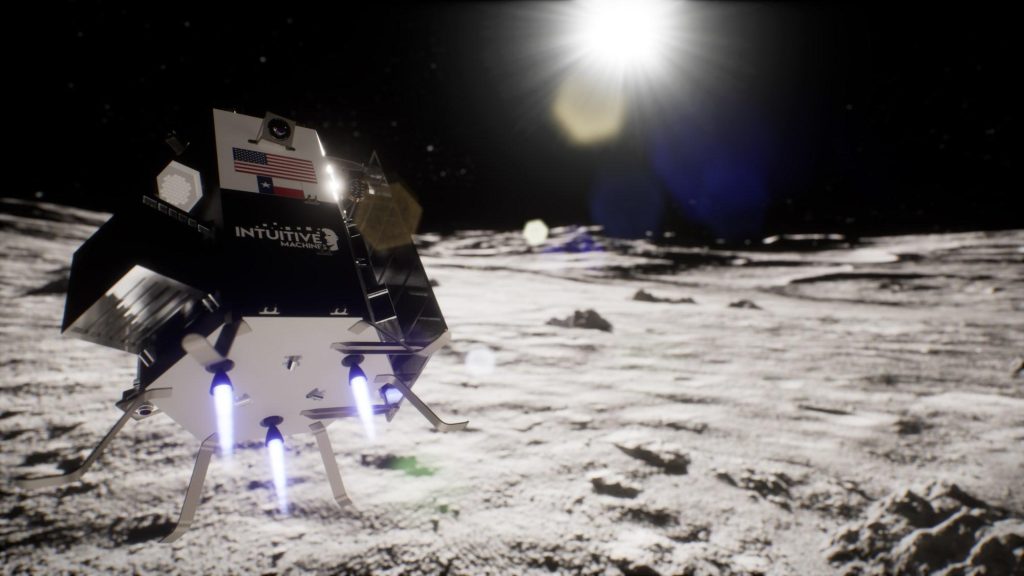
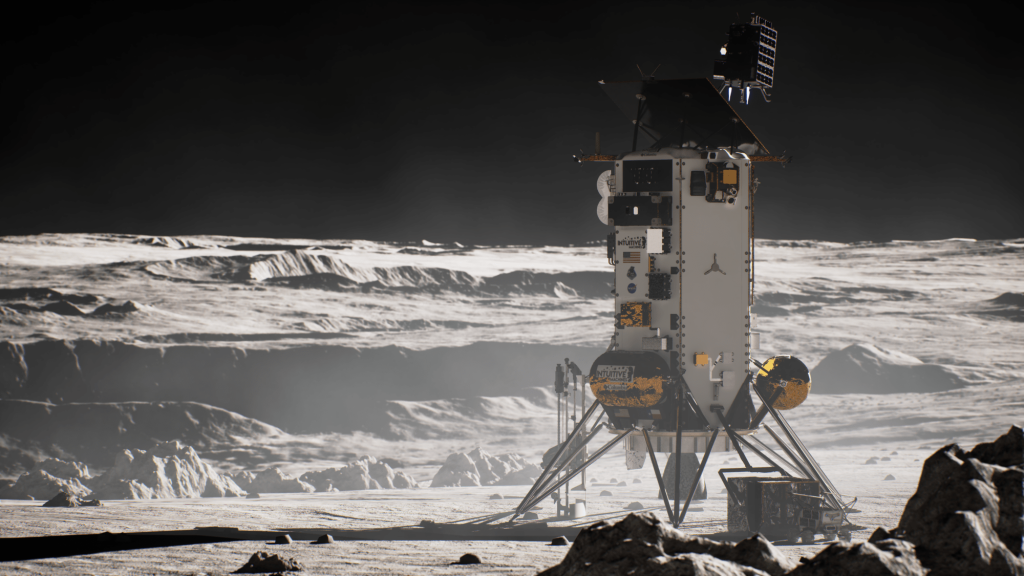
Artist’s rendering of Intuitive Machines’ Athena lunar lander on the Moon. Credit: Intuitive Machines
Artist conception: Earth emerges from behind Mons Mouton on the horizon. Credit: NASA/Scientific Visualization Studio

By: Stefanie Payne
Originally published at: NASA

Top Presidents’ Day Deals 2025 on Amazon

0

It’s Presidents’ day! Officially it’s the day to honor George Washington’s birthday but now it also celebrates all the U.S. presidents. Here are some amazing deals from Amazon.

Home

Instant Pot Vortex 6QT XL Air Fryer$79.99 (orig. $119.99,-33% )

Portable Countertop Dishwasher$291.70 (orig. $339,-14%)

CASABREWS Espresso Machine$125.99 (orig. $139.99,-10%)

BLACK+DECKER EM720CB7 Digital Microwave Oven$89.99 (orig. $99.99,-10%)

Koolatron Refrigerator$585.74 (orig. $649.99,-10%)

Empava 24 inch Electric Single Wall Oven$485.99 (orig. $539.99,-10%)

Nespressor capsules$38.25 (orig. $42.5,-10%)

Electronics

Wenger Legacy 16 inch Laptop Backpack $71.35 (orig. $83.99,-15%)

ARZOPA Portable Monitor$84.99 (orig. $109.99,-23%)

Apple iPad (10th Generation)$279 (orig. $349,-20%)

Samsung Galaxy Tab A9+ Plus 11”$169.99 (orig. $219.99,-23%)

Beats Solo 4$149.95 (orig. $199.95,-25%)

SAMSUNG 65-Inch Class OLED$1,497.99 (orig. $1697.99,-12%)

SAMSUNG 27-Inch S39C Series FHD Curved Gaming Monitor $139.97 (orig. $229.99,-39%)

TP-Link AXE5400 Tri-Band WiFi 6E Router (Archer AXE75)$149.99 (orig. $179.99,-17%)

SAMSUNG Galaxy Watch Ultra$334.99 (orig. $406.92,-18%)

Surge Protector Power Strip$19.99 (orig. $27.99,-29.%)

DJI Osmo Action 3 Outdoor Combo$259.99 (orig. $289,-10%)

Gaming

PS5 / PS5 Slim Stand and Cooling Station with LED Controller Charging Station for PlayStation 5 Console$33.98 (orig. $39.99,-15%)

Persona 5 Royal: Standard Edition$34.83 (orig. $59.99,-42%)

The Legend of Zelda: Echoes of Wisdom – Nintendo Switch$49.75 (orig. $59.99,-17%)

Animal Crossing: New Horizons – Nintendo Switch$50.49 (orig. $59.99,-16%)

Upgraded Controller Charger Station$24.73 (orig. $39.99,-38%)

Source: zedreviews.com

NASA Inspires High School Engineering Club

0

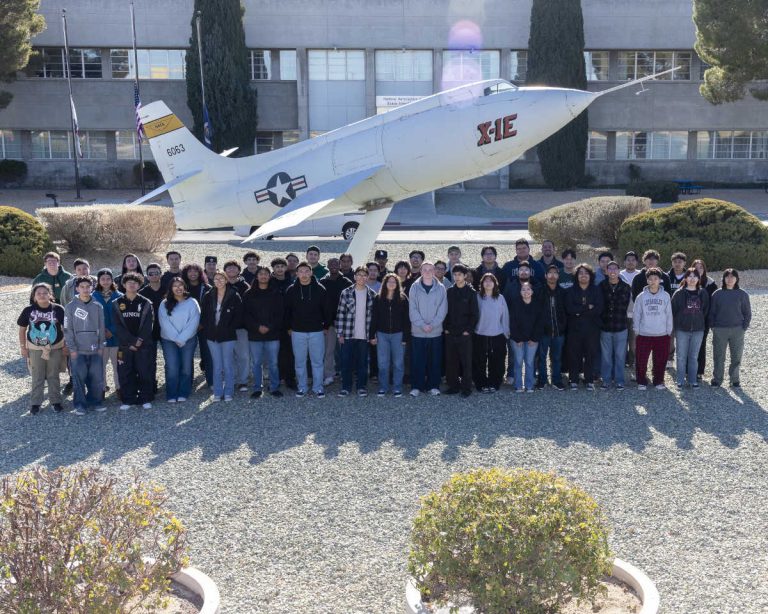
The engineering club from Palmdale High School in Palmdale, California, visits NASA’s Armstrong Research Flight Center in Edwards, California. The students took a group photo in front of the historic X-1E aircraft on display at the center.
NASA/Genaro Vavuris

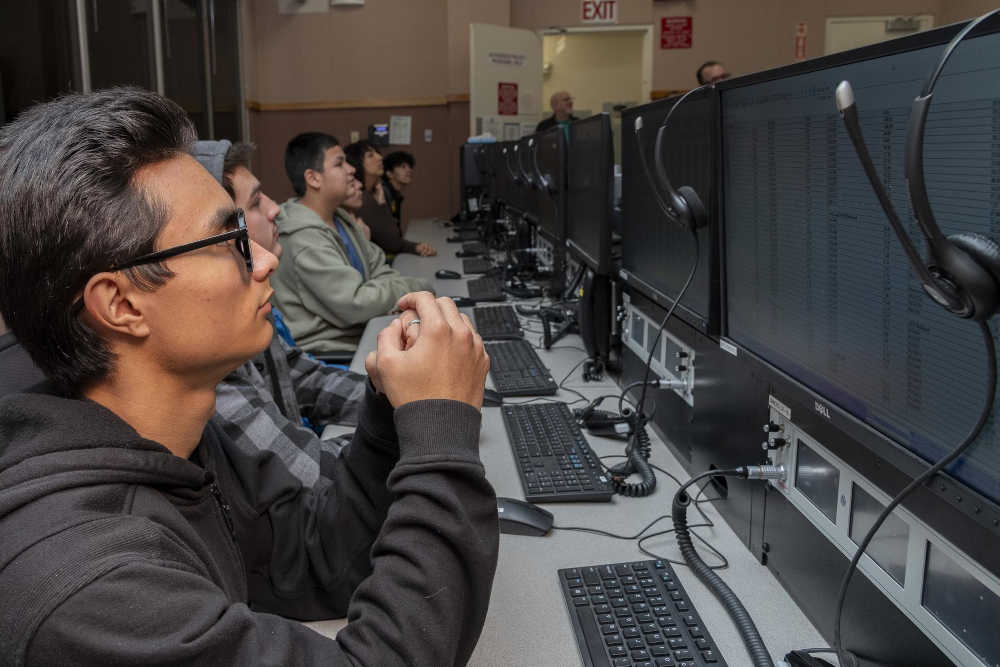
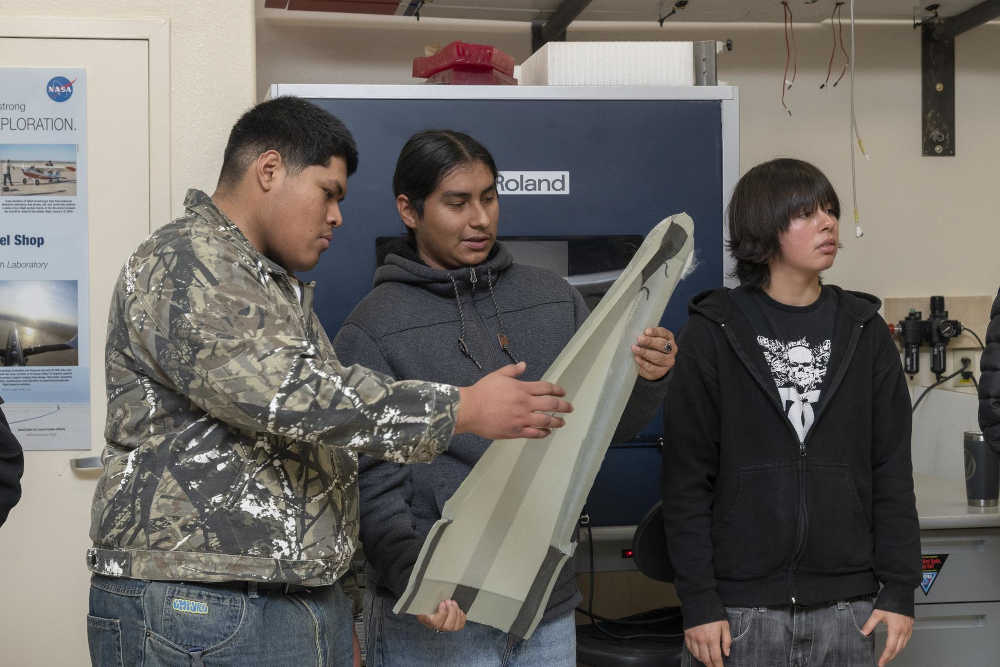
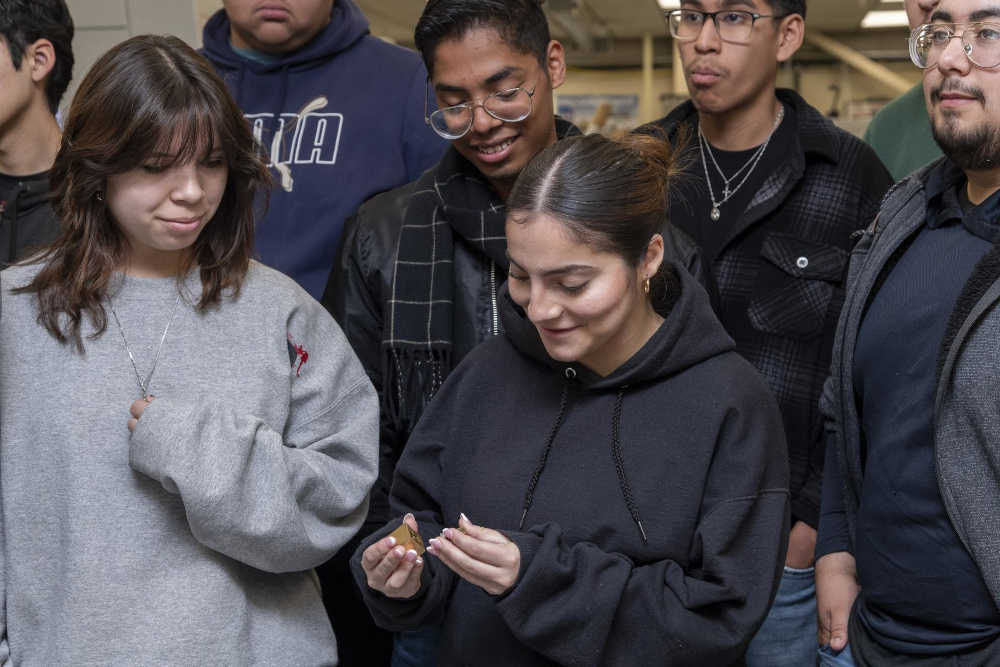
A group of enthusiastic high school students recently visited NASA to learn about facilities and capabilities that enable the agency’s researchers to explore, innovate, and inspire for the benefit of humanity.

Engineering club students from Palmdale High School in California were able to connect classroom lessons to real-world applications, sparking curiosity and ambition while at NASA’s Armstrong Flight Research Center in Edwards, California. “I learned a lot about the different careers that you can get at a place like NASA,” student Roberto Cisnero said.

Through partnerships with the regional STEM community, NASA’s STEM Engagement provides local students with hands-on opportunities aligned with NASA’s missions. “Many students do not get the opportunity to be encouraged to pursue STEM careers. Part of our NASA mission is to be that encourager,” said Randy Thompson, deputy director for NASA Armstrong Research and Engineering.

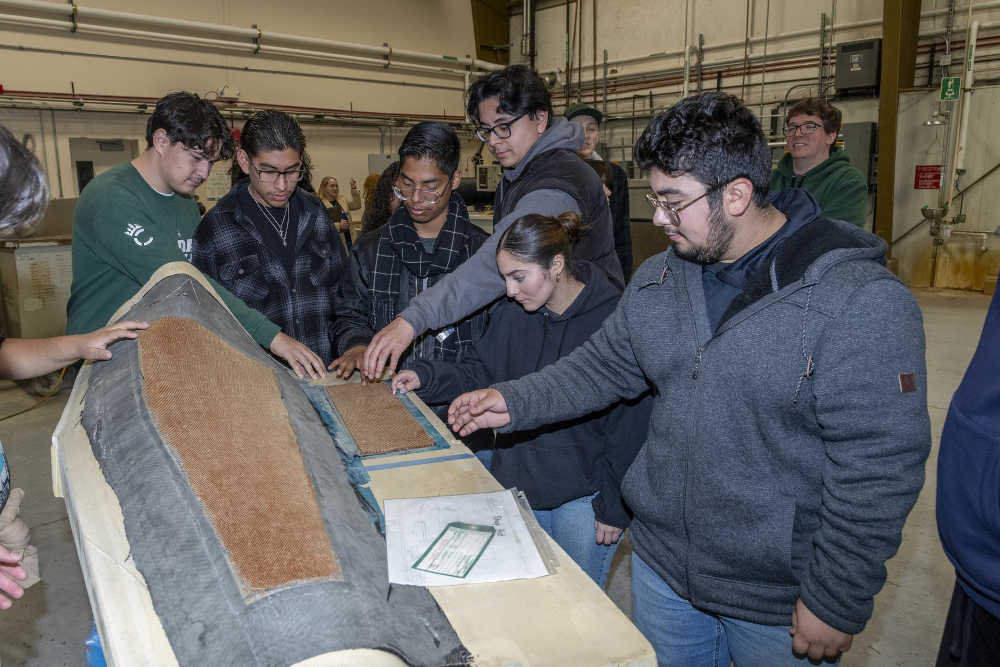
Highlights from the visit included demonstrations at a mission control room, the Subscale Flight Research Laboratory, the Flight Loads Laboratory, and the Experimental Fabrication Shop, all of which support high-risk, atmospheric flight research and test projects. Students engaged with laboratory technicians, engineers, and program managers, asking questions about the work they do. “It was fun to see what the valued people at NASA do with all of the resources,” student Jonathan Peitz said.

NASA’s California Office of STEM Engagement hosted the visit in celebration of National Aviation History Month. By supporting students, educators, and expanding STEM participation, NASA aims to inspire future leaders and build a diverse, skilled workforce.

By: Priscila Valdez (NASA Armstrong Public Affairs Specialist)
Originally published at: NASA

Best Valentine’s Day Gifts That Will ‘Heart’ly Disappoint You.

0

Valentines is fast approaching, and while you might think the tradition of gift giving has faded, you are wrong. In the United States alone, it has grown continuously throughout the years. Signifying the love of this holiday inspired from St. Valentine.

Gifts for the hearth

Gifts for the tech savvy

Gifts for the humble abode

Gifts for a change of clothes

Gifts for the car aficionado

Gifts for the gamer

Valentines is not just for the lovely couples. In some countries it’s a day to celebrate a special someone, the family, a festivity of flowers and other equally joyful event. Just remember that who or what you celebrate with can be truly impactful, as long as you cherish and enjoy the moment.

Originally published at: zedreviews.com

NASA Invites Media to Expedition 71 Crew Visit at Marshall

0

NASA will host four astronauts at 9 a.m. CDT Wednesday, Jan. 29, for a media opportunity at the agency’s Marshall Space Flight Center in Huntsville, Alabama.

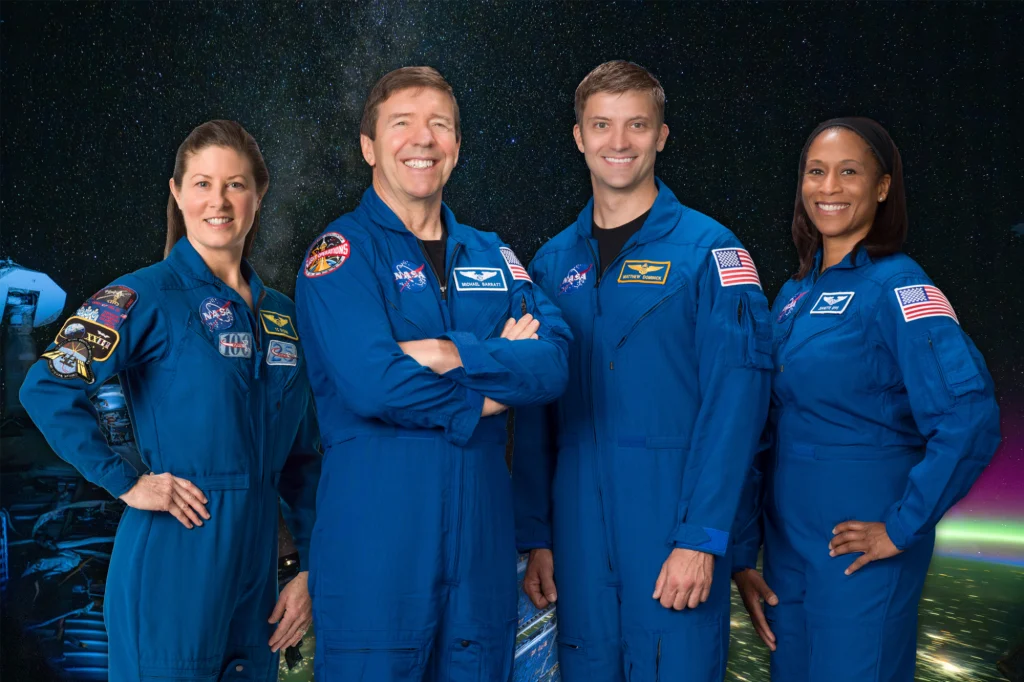
NASA astronauts Matt Dominick, Mike Barratt, Jeanette Epps, and Tracy C. Dyson served as part of Expedition 71 and will discuss their recent missions to the International Space Station.

Dominick, Barratt, and Epps launched aboard NASA’s SpaceX Crew-8 mission in March 2024 and returned to Earth in October 2024 after spending nearly eight months aboard the orbiting complex. Dyson launched aboard a Roscosmos Soyuz spacecraft also in March 2024 and returned in September 2024 after completing a six-month research mission aboard the space station.

Media are invited to attend the event and visit with the astronauts as they discuss their science missions aboard the microgravity laboratory and other mission highlights. Media interested in participating must confirm their attendance by 12 p.m., Monday, Jan. 27, to both Lance D. Davis – [email protected] – and Joel Wallace – [email protected] –  in Marshall’s Office of Communications. 

Media must arrive by 8 a.m., Wednesday, to the Redstone Arsenal Joint Visitor Control Center Gate 9 parking lot, located at the Interstate 565 interchange on Research Park Boulevard. The event will take place in the NASA Marshall Activities Building 4316. Vehicles are subject to a security search at the gate, so please allow extra time. All members of the media and drivers will need photo identification. Drivers will need proof of insurance if requested.

The Expedition 71 crew conducted hundreds of technology demonstrations and science experiments, including the bioprinting of human tissues. These higher-quality tissues printed in microgravity could help advance the production of organs and tissues for transplant and improve 3D printing of foods and medicines on future long-duration space missions. The crew also looked at  neurological organoids, created with stem cells from patients to study neuroinflammation, a common feature of neurodegenerative conditions such as Parkinson’s disease. The organoids provided a platform to study these diseases and their treatments and could help address how extended spaceflight affects the brain.

As part of Crew-8, Dominick served as commander, Barratt served as pilot, and Epps served as a mission specialist. Dyson launched aboard a Soyuz space as part of an international crew and served as a flight engineer on a six-month research mission. The expedition to the space station was the first spaceflight for Dominick, third for Barratt, first for Epps, and third for Dyson.

The International Space Station is a convergence of science, technology, and human innovation that enables research not possible on Earth. For more than 24 years, NASA has supported a continuous human presence aboard the orbiting laboratory, through which astronauts have learned to live and work in space for extended periods of time. The space station is a springboard for developing a low Earth economy and NASA’s next great leaps in exploration, including missions to the Moon under Artemis and, ultimately, human 

Learn more about the International Space Station, its research, and its crew, at:

https://www.nasa.gov/station

Lance D. Davis
Marshall Space Flight Center, Huntsville, Ala.
256-640-9065
[email protected]

Joel Wallace
Marshall Space Flight Center, Huntsville, Ala.
256-786-0117
[email protected]

By: Beth Ridgeway
Originally published at: NASA