
Home Blog Page 78

StarCrete – Concrete Made From Martian Regolith

0
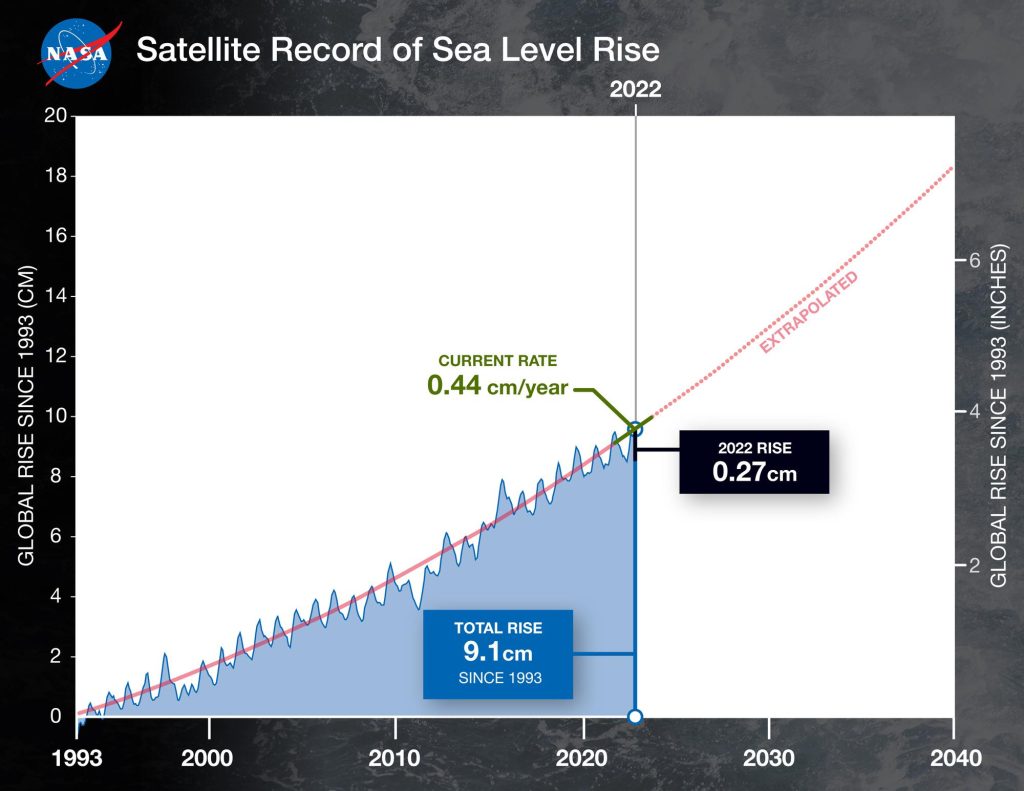
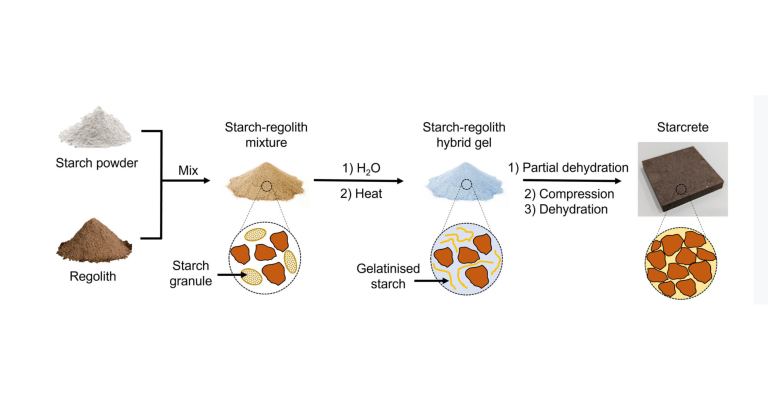
Scheme depicting the steps taken to produce StarCrete

Manchester scientists have created a new material, dubbed ‘StarCrete’ which is made from extra-terrestrial dust, potato starch, and a pinch of salt and could be used to build homes on Mars.

Building infrastructure in space is currently prohibitively expensive and difficult to achieve. Future space construction will need to rely on simple materials that are easily available to astronauts, StarCrete offers one possible solution. The scientists behind the invention used simulated Martian soil mixed with potato starch and a pinch of salt to create the material that is twice as strong as ordinary concrete and is perfectly suited for construction work in extra-terrestrial environments.

In an article published in the journal Open Engineering[EB1] , the research team demonstrated that ordinary potato starch can act as a binder when mixed with simulated Mars dust to produce a concrete-like material. When tested, StarCrete had a compressive strength of 72 Megapascals (MPa), which is over twice as strong as the 32 MPa seen in ordinary concrete. Starcrete made from moon dust was even stronger at over 91 MPa.

This work improves on previous work from the same team where they used astronauts’ blood and urine as a binding agent. While the resulting material had a compressive strength of around 40 MPa, which is better than normal concrete, the process had the drawback of requiring blood on a regular basis. When operating in an environment as hostile as space, this option was seen as less feasible than using potato starch.

“Since we will be producing starch as food for astronauts, it made sense to look at that as a binding agent rather than human blood. Also, current building technologies still need many years of development and require considerable energy and additional heavy processing equipment which all adds cost and complexity to a mission. StarCrete doesn’t need any of this and so it simplifies the mission and makes it cheaper and more feasible.

“And anyway, astronauts probably don’t want to be living in houses made from scabs and urine!” Dr Aled Roberts, Research Fellow at the Future Biomanufacturing Research Hub, and lead researcher for this project.

The team calculate that a sack (25 Kg) of dehydrated potatoes (crisps) contain enough starch to produce almost half a tonne of StarCrete, which is equivalent to over 213 brick’s worth of material. For comparison, a 3-bedroom house takes roughly 7,500 bricks to build. Additionally, they discovered that a common salt, magnesium chloride, obtainable from the Martian surface or from the tears of astronauts, significantly improved the strength of StarCrete.

The next stages of this project are to translate StarCrete from the lab to application. Dr Roberts and his team have recently launched a start-up company, DeakinBio, which is exploring ways to improve StarCrete so that it could also be used in a terrestrial setting.

If used on earth, StarCrete could offer a greener alternative to traditional concrete. Cement and concrete account for about 8% of global CO2 emissions as the process by which they are made requires very high firing temperatures and amounts of energy. StarCrete, on the other hand, can be made in an ordinary oven or microwave at normal ‘home baking’ temperatures, therefore offering reduced energy costs for production.

StarCrete: A starch-based biocomposite for off-world construction, Open Engineering (open access)

By Keith Cowing
Source SpaceRef

Louisiana’s Rice Fields

0

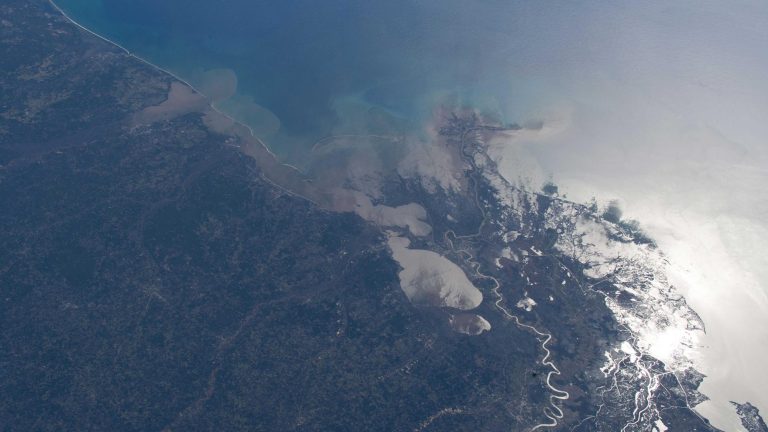
This Feb 3, 2023, enhanced-color image from Landsat 9 highlights a green and blue patchwork pattern in flooded rice fields in southwestern Louisiana. Raised levees used for water management form the grid pattern between the fields, which appear dark blue.

As it flowed through several southern states over tens of thousands of years, the Mississippi River left a valuable layer of fertile soil in its wake. This low-lying floodplain and the flat coastal prairies of Louisiana and Texas are now home to most of the rice farms in the United States. In 2021, Arkansas, Louisiana, Mississippi, and Texas—collectively known as the Rice Belt—produced about 73 percent of all rice in the United States. 

Image Credit: NASA

By Monika Luabeya
Source NASA

NASA Seeks Student Solutions For Managing Moon Landing Dust Cloud

0

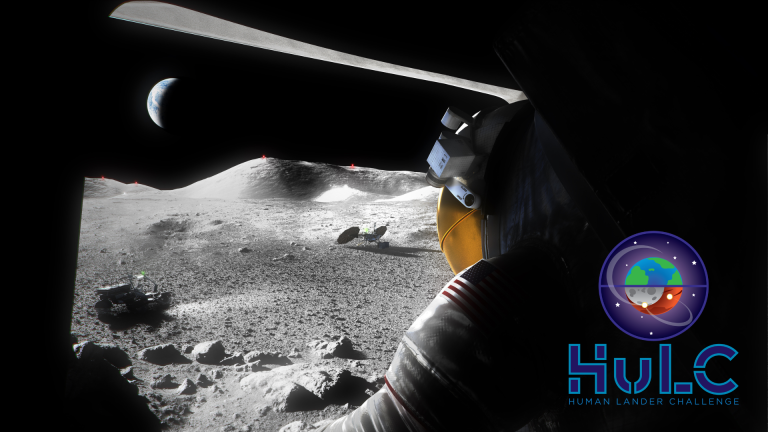
Human Lander Challenge logo overlaid on an artist’s illustration of an Artemis astronaut looking out at the lunar surface.
Credits: NASA

As NASA and industry partners develop new human landing systems to transport astronauts from lunar orbit to the Moon’s surface and back as part of Artemis, the agency is asking university students to investigate solutions to one particularly dusty aspect of landing spacecraft on the lunar surface.

NASA’s new Human Lander Challenge invites college students to explore ways to manage or prevent the cloud of dust a spacecraft stirs up when using rocket engines to land on unprepared surfaces like the Moon. This effect is called plume surface interaction and can increase risks caused by lunar dust on future human missions.

“The Moon is covered with granular, rocky material called regolith, which can be lifted from the surface by rocket engines during landing and ascent. Understanding and reducing these effects are key challenges for NASA to overcome for safe lunar surface access,” said Ashley Korzun, principal investigator for plume surface interaction, NASA’s Langley Research Center in Hampton, Virginia. “Besides creating a more challenging landing environment, disturbed lunar dust also can damage other assets NASA plans to establish on the Moon’s surface, like habitats, mobility systems, scientific experiments, and other critical infrastructure.”

To establish a long-term human presence on and around the Moon for the benefit of humanity, NASA must address the challenges lunar dust presents to these complex missions. This is where the Artemis Generation of problem solvers may be able to help.

For the challenge, NASA is asking undergraduate and graduate students from accredited colleges and universities in the United States to help tackle the challenges of plumes and lunar dust by seeking innovative, systems-level solutions to minimize and manage the impacts on future lunar exploration systems. Potential solutions might include development of dust shields, creating flight instrumentation dedicated to managing plume surface interactions, finding ways to see through the dust cloud during landing, or tracking dust during ascent and descent.

NASA will select up to 12 teams to compete at the inaugural Human Lander Challenge Forum in June 2024 in Huntsville, Alabama. Each team will receive a $7,000 stipend to produce a technical paper and any associated design models or prototypes to present in a competitive design review to a panel of NASA and industry subject matter experts. The top three teams will share a total prize of $18,000, with the first-place team receiving $10,000, the second-place team receiving $5,000, and the third-place team receiving $3,000.

“It is our mission to have a lunar landing capability that allows astronauts to travel to the surface of the Moon and back safely on a regular basis,” said Lisa Watson-Morgan, manager, Human Landing Systems, NASA’s Marshall Space Flight Center in Huntsville, Alabama. “The challenge of managing the dust stirred up by lunar landers is a top priority, so this is a great opportunity for students to work with NASA in advancing humanity’s exploration of the Moon’s South Pole region under Artemis. We look forward to seeing what these teams come up with.”

Teams interested in participating in the challenge should review competition guidelines and eligibility requirements. Teams are encouraged to submit a non-binding notice of intent by Oct. 22.  Proposals are due March 4.

The Human Lander Challenge is sponsored by NASA’s Human Landing System Program and managed by the National Institute of Aerospace.

Through Artemis, NASA will land the first woman and the first person of color on the Moon, paving the way for a long-term, sustainable lunar presence to explore more of the lunar surface than ever before and prepare for future astronaut missions to Mars.

For full competition details, visit the Human Lander Challenge website: https://hulc.nianet.org/

-end-

Kathryn Hambleton
Headquarters, Washington
202-358-1100
[email protected]

Jena Rowe
Marshall Space Flight Center, Huntsville, Ala.
256-425-7245
[email protected]

By: Roxana Bardan
Originally published at NASA

Sierra Space Advances Future Of Space Habitation In Low-Earth Orbit And Deep Space With LIFE™ Test

0

Recent testing demonstrates company’s leadership in building inflatable structures for extended human-rated space missions

Space Act Agreement expands collaboration opportunities with NASA’s Marshall Space Flight Center to further advance LIFE Habitat

LOUISVILLE, Colo. – March 23, 2023  Sierra Space, a leading, pureplay commercial space company building the first end-to-end business and technology platform in space, announced today it continues to make critical strides in the development of its softgoods inflatable technology — LIFE™ habitat (Large Integrated Flexible Environment) – solidifying its lead in the industry.

The company’s LIFE testing campaign, a combined effort with NASA test engineers, passed another milestone on the path to building a full-scale habitat product line with various architectures to enable human missions to low-Earth orbit, the moon and deep space. This milestone affirms Sierra Space’s position as the industry leader in inflatable space habitats and the only active commercial company to build human-rated structures.

The company also announced that it signed a new Space Act Agreement for an expanded partnership with NASA’s Marshall Space Flight Center (MSFC), which will further accelerate LIFE development.

Another successful test

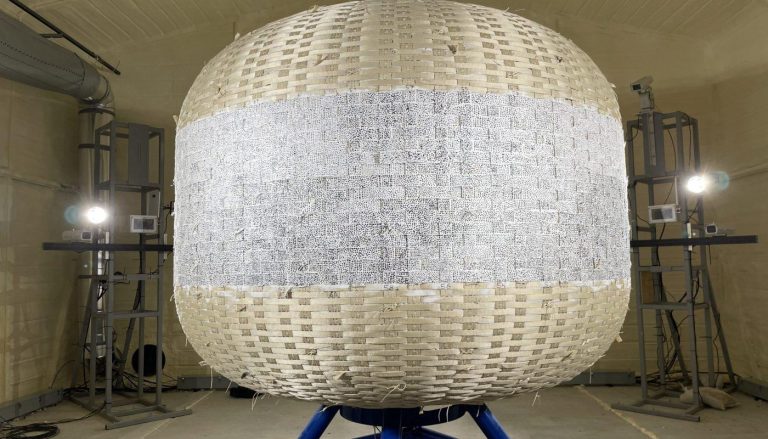
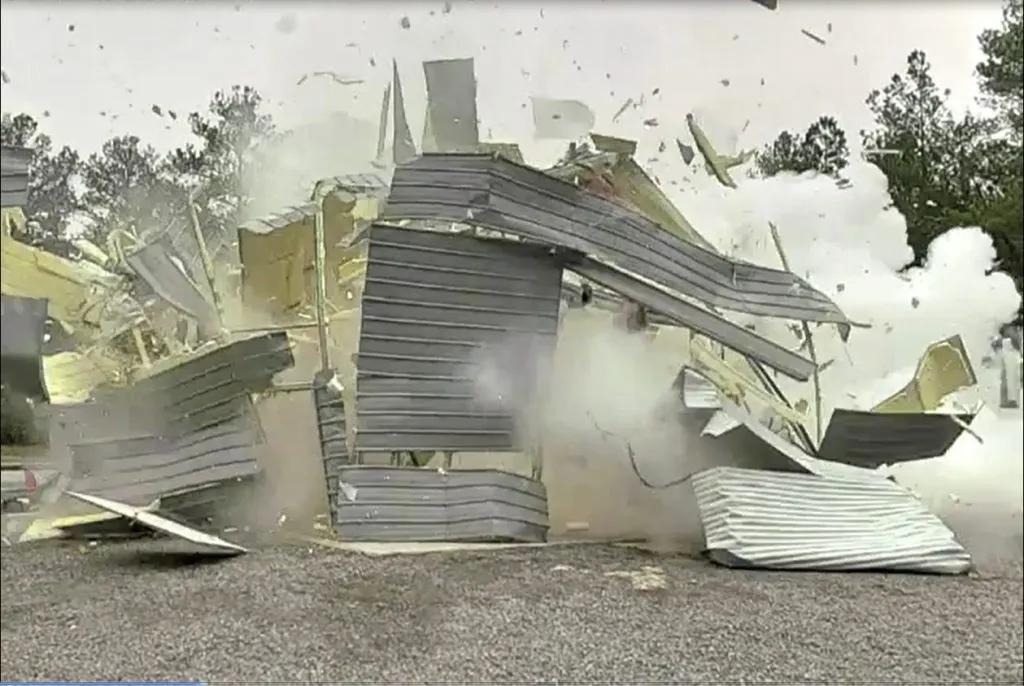
In February, Sierra Space performed a month-long Accelerated Systematic Creep (ASC) test on LIFE – the first milestone in its 2023 testing campaign. Engineers loaded a one-third-scale version of the inflatable habitat with a sustained amount of pressure over an extended period until it failed. Per NASA’s recommended guidelines for inflatable softgoods certification, the test reached its goal of generating an additional data point – pressure and time to burst – which can be used to estimate the life of the primary pressure shell structure. View video here.

“Our testing campaign has demonstrated that our LIFE habitat pressure shell design has a predicted life of far greater than 60 years – or 525,600 hours – based on Sierra Space’s 15-year on-orbit life requirement and the applied 4x safety factor,” said Sierra Space Chief Engineer for LIFE, Shawn Buckley. “We are obviously simulating pressures well in excess of the norm. Test after (extreme) test, we continue to exceed our program requirements, validating that LIFE’s design, manufacturing, and assembly methods are consistent and repeatable.”

The next series of one-third-scale LIFE certification tests will focus on inserting hard structures into the pressure shell and correlating the results to previous tests. Sierra Space anticipates moving toward full-scale LIFE habitat tests later this year.

Expanded presence in Huntsville, Ala.

Thanks to a recently signed Space Act Agreement with NASA, Sierra Space will expand its collaborative environment with Marshall Space Flight Center (MSFC), in Huntsville, Ala., to continue critical work on LIFE. The agreement supports ongoing design and development of LIFE test articles; a full-scale engineering mockup – the size of a three-story apartment building – will move to MSFC from NASA’s Kennedy Space Center. Alabama is the seventh location across the nation where Sierra Space operates facilities, joining Colorado, Florida, North Carolina, Texas, Wisconsin and Washington, D.C.

Sierra Space, NASA and ILC Dover subject matter experts performed the recent ASC test inside a specially built, climate-controlled building at MSFC, adjacent to the flame trench of the Saturn 1/1B test stand — where NASA tested rockets for the Apollo program. This location is optimum for softgoods inflatable destructive testing in both performance and observation. ILC Dover is Sierra Space’s softgoods provider.

“NASA’s Marshall Space Flight Center (MFSC) has a rich history in leading highly-complex testing for innovative systems and technologies,” said Sierra Space CEO Tom Vice. “Under this new Space Act Agreement, we’re expanding our collaboration activities with MFSC, where we will be able to tap into that wealth of expertise, talent and facility capabilities at a much deeper level.”

Sierra Space’s LIFE is a key component of the company’s in-space destinations technology portfolio. The inflatable module is a three-story commercial habitation, science and bio pharma platform designed to allow humans to live and work comfortably in low-Earth orbit and beyond. LIFE will serve as both the habitation and payload element for the Orbital Reef commercial space station, a collaboration between Sierra Space and Blue Origin. This test marks another key step forward in Orbital Reef’s progress for NASA’s Commercial Destinations-Free Flyer (CD-FF) program.

About Sierra Space

Sierra Space (www.sierraspace.com) is a leading, pureplay commercial space company at the forefront of innovation and the commercialization of space in the Orbital Age™, building an end-to-end business and technology platform in space to benefit life on Earth. With more than 30 years and 500 missions of space flight heritage, the company is enabling the future of space transportation with Dream Chaser®, the world’s only commercial spaceplane, and is bringing LIFE™ to low-Earth orbit with its modular, three-story commercial habitation and science platform. Both Dream Chaser and LIFE are central components to Orbital Reef, a mixed-use business park in LEO being developed by principal partners Sierra Space and Blue Origin, which is expected to be operational by the end of the decade. Sierra Space also builds and delivers a host of systems and subsystems across solar power, mechanics and motion control, environmental control, life support, propulsion and thermal control, offering myriad space-as-a-service solutions for the new space economy.

###

MEDIA CONTACTS:

Alex Walker
Sierra Space
(303) 803-2297
[email protected]

Allison Gregg
Griffin Communications Group
(256) 520-3985
[email protected]

L.A. Youth Robotics Competition Leaves Student Teams Energized

0
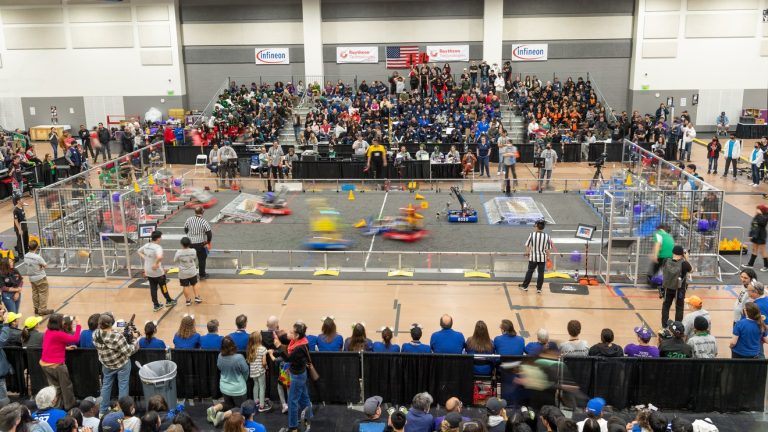
In a blur of motion, wheeled robots race across the “playing field” at the FIRST Robotics Competition Los Angeles Regional at the Da Vinci Schools campus in El Segundo. The annual student robotics event is supported by NASA’s Jet Propulsion Laboratory with volunteers and team mentors. Credit: NASA/JPL-Caltech

Supported by volunteers from JPL and the aerospace industry, the annual regional FIRST Robotics event makes an impact on young competitors and adult mentors alike.

After two days of fast-paced competition complete with team uniforms, cheerleaders, pounding music, and blaring horns, multiple teams of high schoolers came out victorious at the 23rd annual FIRST Robotics Competition Los Angeles Regional over the weekend. Next, they’ll be headed to an international championship tournament where their 125-pound inventions will compete for robotics glory.

NASA’s Jet Propulsion Laboratory sponsored several of the 44 competing teams and supported the event, held at the Da Vinci Schools campus in El Segundo, by coordinating about 100 volunteers. “It’s always gratifying to see these kids compete with such determination and passion, but it’s also wonderful to witness the joy they bring to the adults who come together for this event,” said Kim Lievense, who manages JPL’s Public Services Office and coordinated volunteers at the competition.

Energy and Community

The event is one of many taking place across the country under the umbrella of FIRST (For Inspiration and Recognition of Science and Technology). The nonprofit organization pairs students with STEM professionals for hands-on engineering experience and practice with problem-solving, team building, fundraising, and promotion, among other skills. Teams in the FIRST Robotics Competition receive technical specifications and game rules in January and have just weeks to design, build, and test their wheeled robots.

Students from Da Vinci Schools Team 4201 (“Vitruvian Bots”) react in the stands during the 2023 FIRST Robotics Competition Los Angeles Regional.
Students from Da Vinci Schools Team 4201 (“Vitruvian Bots”) react in the stands during the 2023 FIRST Robotics Competition Los Angeles Regional. The two-day competition can be an emotional roller coaster for student participants.  Credit: NASA/JPL-Caltech

This year’s game, dubbed “Charged Up,” is themed around the future of sustainable energy. Two alliances of three teams compete on a “playing field” that’s about 26 by 54 feet. In each 2 ½-minute round, the teams’ robots must retrieve rubber cones and inflatable cubes that represent electrical power from “substations” and place them into a “grid.” Robots also race to roll up onto a wobbling “charge station” for extra points.

Students put in long hours preparing their robots. It all paid off in the case of Brianna Adewinmbi, a junior at the California Academy of Mathematics and Science in Carson. Her Team 687 (aka the “Nerd Herd”) came out on top, and she was one of two students selected as a finalist for the nationwide FIRST Dean’s List Award (inventor Dean Kamen founded FIRST) recognizing student leadership and dedication. Wearing a colorful propeller hat and fielding high-fives from fellow students, she said the team had been working after school till 10 p.m. for many days.

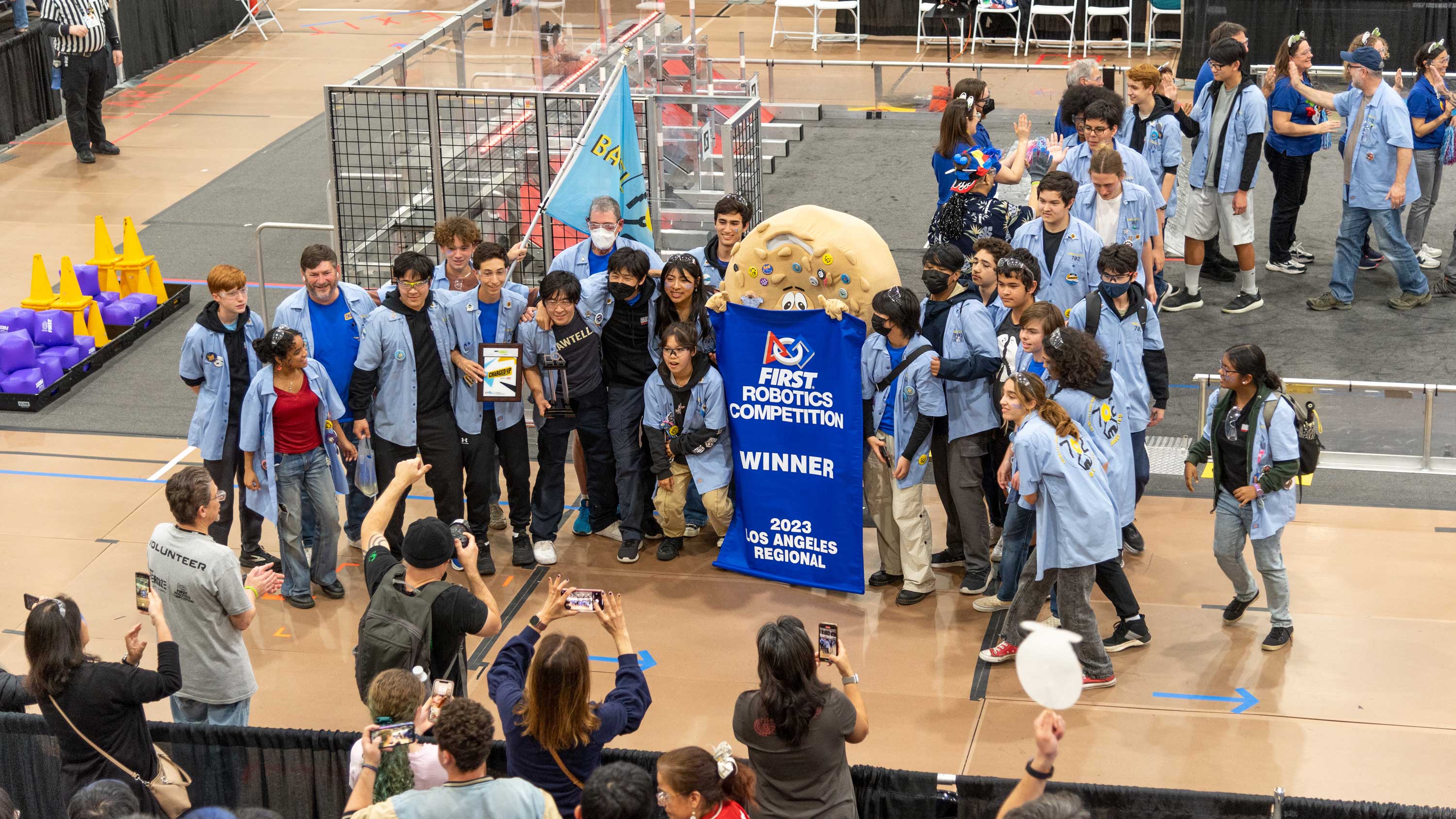
Part of the winning alliance, JPL-sponsored Team 702 (“Bagel Bytes”) from Culver City High School gathers beside their banner and a mascot in a bagel costume
Part of the winning alliance, JPL-sponsored Team 702 (“Bagel Bytes”) from Culver City High School gathers beside their banner and a mascot in a bagel costume at the 2023 FIRST Robotics Competition Los Angeles Regional. Credit: NASA/JPL-Caltech

“It’s insane. I just keep thinking, It was all worth it, all the time that we spent,” Adewinmbi said.

Adewinmbi’s team will be joined at the FIRST Championship in Houston next month by the two other California teams from the winning alliance: Team 5199 (“Robot Dolphins From Outer Space”) from Dana Point and and Team 702 (“Bagel Bytes”) from Culver City. Team 6833 (“Phoenix Robotics”) from Arizona, which had subbed in for the Culver City team to play in the winning alliance, is on the priority waitlist to attend. Two award-winners, Team 5089 (“Robo-Nerds”) from Benjamin Franklin Senior High School in Los Angeles and Team 4201 (“Vitruvian Bots”) from Da Vinci Schools, will also head to Houston.

Volunteering Brings Rewards

For about two decades, NASA’s Robotics Alliance Project has supported youth robotics teams through agency centers across the country and at JPL, aiming to inspire students to pursue careers in aerospace while helping them build the skills they’ll need to succeed.

“We all do it for the same reason: It’s really to help get kids inspired in science, engineering, and technology,” said JPL’s Dave Brinza, assistant mission assurance manager for NASA’s Europa Clipper mission. Brinza started mentoring Team 980 (“ThunderBots”), now at Burbank High School, in 2003. “We often say the real trophies aren’t the blue banners and the things you put on a shelf, it’s the kids who go on and have successful careers.”

Source JPL

Could ‘Terminator Zones’ On Far Off Planets Harbor Life?

0
Some exoplanets have one side permanently facing their star while the other side is in perpetual darkness. The ring-shaped border between these permanent day and night regions is called a “terminator zone.” In a new paper, researchers say this area has the potential to support extraterrestrial life. (Credit: Ana Lobo/UC Irvine)

Extraterrestrial life has the potential to exist on distant exoplanets inside special areas called “terminator zones,” according to a new study.

The terminator zone is a ring on planets that have one side that always faces its star and one side that is always dark.

“These planets have a permanent day side and a permanent night side,” says lead author Ana Lobo, a postdoctoral researcher in the physics and astronomy department at the University of California, Irvine.

Such planets are particularly common because they exist around stars that make up about 70% of the stars seen in the night sky—so-called M-dwarf stars, which are relatively dimmer than our sun, Lobo says.

The terminator is the dividing line between the day and night sides of the planet. Terminator zones could exist in that “just right” temperature zone between too hot and too cold.

“You want a planet that’s in the sweet spot of just the right temperature for having liquid water,” says Lobo, because liquid water, as far as scientists know, is an essential ingredient for life.

On the dark sides of terminator planets, perpetual night would yield plummeting temperatures that could cause any water to be frozen in ice. The side of the planet always facing its star could be too hot for water to remain in the open for long.

“THESE NEW AND EXOTIC HABITABILITY STATES OUR TEAM IS UNCOVERING ARE NO LONGER THE STUFF OF SCIENCE FICTION.”

“This is a planet where the dayside can be scorching hot, well beyond habitability, and the night side is going to be freezing, potentially covered in ice. You could have large glaciers on the night side,” Lobo says.

For the study, which appears in The Astrophysical Journal, Lobo and Aomawa Shields, an associate professor of physics and astronomy, modeled the climate of terminator planets using software typically used to model our own planet’s climate, but with a few adjustments, including slowing down planetary rotation.

It’s believed to be the first time astronomers have been able to show that such planets can sustain habitable climates confined to this terminator region.

Historically, researchers have mostly studied ocean-covered exoplanets in their search for candidates for habitability. But now that Lobo and her team have shown that terminator planets are also viable refuges for life, it increases the options life-hunting astronomers have to choose from.

“We are trying to draw attention to more water-limited planets, which despite not having widespread oceans, could have lakes or other smaller bodies of liquid water, and these climates could actually be very promising,” Lobo says.

One key to the finding, Lobo adds, was pinpointing exactly what kind of terminator zone planet can retain liquid water. If the planet is mostly covered in water, then the water facing the star, the team found, would likely evaporate and cover the entire planet in a thick layer of vapor.

But if there’s land, this effect shouldn’t occur.

“Ana has shown if there’s a lot of land on the planet, the scenario we call ‘terminator habitability’ can exist a lot more easily,” says Shields. “These new and exotic habitability states our team is uncovering are no longer the stuff of science fiction—Ana has done the work to show that such states can be climatically stable.”

Recognizing terminator zones as potential harbors for life also means that astronomers will need to adjust the way they study exoplanet climates for signs of life, because the biosignatures life creates may only be present in specific parts of the planet’s atmosphere.

The work will also help inform future efforts by teams using telescopes like the James Webb Space Telescope or the Large Ultraviolet Optical Infrared Surveyor telescope currently in development at NASA as they search for planets that may host extraterrestrial life.

“By exploring these exotic climate states, we increase our chances of finding and properly identifying a habitable planet in the near future,” says Lobo.

Source: UC Irvine
Original Study DOI: 10.3847/1538-4357/aca970

By Lucas Van Wyk Joel-UC Irvine
Source Futurity

Galactic Giants Titan And Saturn

0

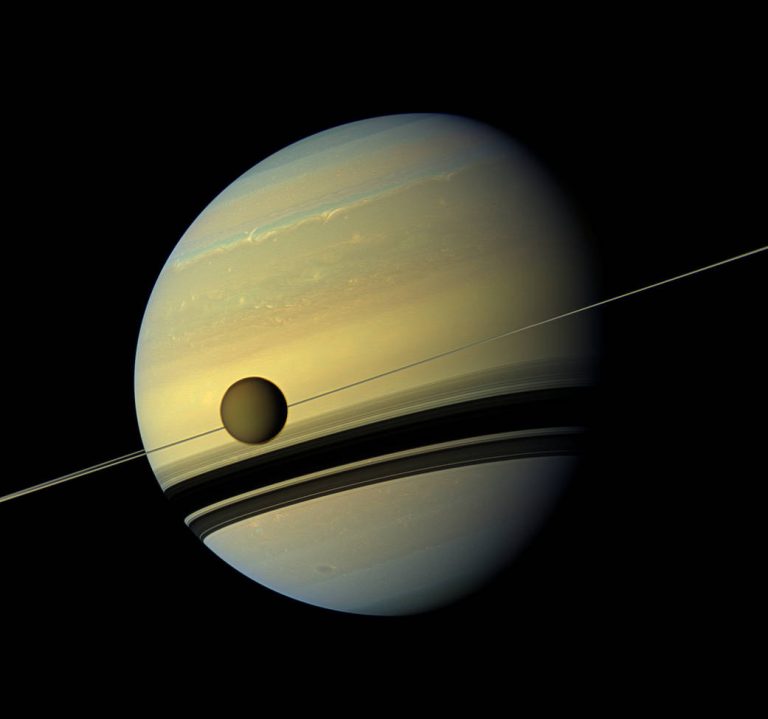
Titan, Saturn’s largest moon, looks quite small in comparison to the giant planet behind it in this natural color view from the Cassini-Huygens spacecraft. This image from Aug. 29, 2012, also shows seasonal changes occurring on Saturn; as spring comes to the northern Saturnian hemisphere, the azure blue seen fades, while winter in the south adds a bluish hue. This phenomenon is likely due to shifts in the intensity of ultraviolet light and the haze it produces.

Image Credit: NASA/JPL-Caltech/Space Science Institute

By Monika Luabeya
Source NASA

NASA Awards Grants To Support Research, Technology Development

0
NASA Awards Grants to Support Research, Technology Development

NASA has announced the recipients of its annual Established Program to Stimulate Competitive Research (EPSCoR) grants, providing a total of more than $10.8 million across 15 institutions over three years to support scientific and technical research. This research aligns with agency’ priorities, including understanding our changing environment and advancing long-term exploration on the Moon through Artemis.

The program, based at the agency’s Kennedy Space Center in Florida, focuses on 25 states and three territories (Guam, U.S. Virgin Islands, and Puerto Rico).

NASA selected the projects based on their merit and alignment with NASA missions. Each grantee will focus on a range of high-priority research needs, including deep space exploration, sustainable manufacturing in space, and advancements in technology and science that will also benefit humanity here on Earth.

The grantees and their three-year award amounts are:

  • Brown University – $749,662.96
  • Iowa State University, Ames – $661,362
  • Nevada System of Higher Education – $747,791
  • ​New Mexico State University – $749,999.22
  • Oklahoma State University – $750,000
  • South Dakota School of Mines and Technology – $750,000
  • University of Alaska, Fairbanks – $750,000
  • University of Delaware – $750,000
  • University of Idaho, Moscow – $749,995 
  • University of Kentucky, Lexington – $750,000
  • University of North Dakota, Grand Forks – $470,368
  • University of Vermont, Burlington – $750,000
  • University of Wyoming – $749,696
  • West Virginia University – $748,564
  • Wichita State University – $750,000

The grantees include Oklahoma State University, which will receive funding to pursue development of a simple way to build solar panels directly on the surface of the Moon. This is a capability that could further NASA’s goal of supporting a lunar base camp and longer expeditions. Researchers plan to explore a solar panel technology using vacuum-processed perovskite solar cells that are lightweight, have high-power generation potential, and are tolerant to radiation, making them excellent candidates for space applications.

The University of Wyoming is granted funding for research development that seeks to improve our understanding of how changes in global climate impact regional water availability in the western United States. Water scarcity is becoming an increasingly pressing issue in many parts of the world, and this project could have important implications for agriculture, tourism, and quality of life.

The South Dakota School of Mines and Technology will look to create a new lithium-sulfur battery technology that is superior to existing lithium-ion batteries. Improving the power capacity and life of batteries could help NASA power rockets, spacecraft, and habitats on the Moon, and eventually, Mars.

Universities and schools from across the country submitted proposals for the EPSCoR grants, with each jurisdiction eligible to submit one proposal per year. The three-year period of performance for each project will be accompanied by a requirement to share 50% of the cost.

These grants not only support research and development in areas critical to NASA’s mission, but also contribute to the overall research infrastructure, science, and technology capabilities of higher education and economic development in the jurisdictions receiving funding.

The NASA EPSCoR program is a vital component of the agency’s strategy to foster collaboration and stimulate growth in research and development across the country. By providing resources to support cutting-edge research in these areas, NASA is helping to create a stronger and more vibrant scientific community that will drive innovation and push the boundaries of what is possible in space exploration for the benefit of all.

For more information on the NASA’s EPSCoR program, please visit: https://go.nasa.gov/3n6bu9e

Katherine Brown
Headquarters, Washington
202-358-1288
[email protected]

Derrol Nail
Kennedy Space Center, Florida
321-289-9513
[email protected]


By Abbey Donaldson
Source NASA

The National Space Society Mourns The Passing Of Ken Money

0

Former NSS President and Board of Governors Member Provided Peerless Leadership

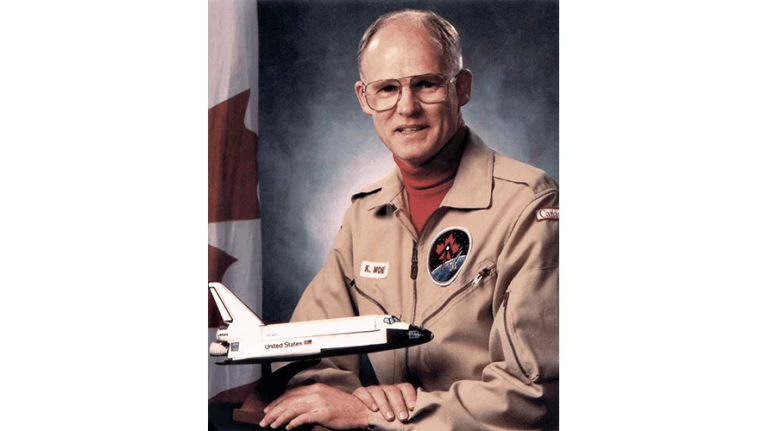
The National Space Society mourns the passing of former NSS leader Kenneth Money who passed on March 6 at the age of 88.

Money served on the NSS Board of Governors from its earliest years starting in 1986 and on its board of Directors from 2004 to 2016. He also served as the organization’s president for several years. His capable leadership helped to advance NSS over many decades and across many challenges.

“Ken was a foundational member of this important organization,” said Karlton Johnson, Chairman of the NSS Board of Governors. “His leadership and accomplishments helped to shape NSS into the organization it is today. The Governors mourn his passing but celebrate the legacy of his bright life.”

Money worked as Senior Scientist at the Canadian Defense and Civil Institute of Environmental Medicine in Toronto and published over one hundred science articles and authored six different topics in the World Book Encyclopedia. He held a PhD in physiology from the University of Toronto and some of his contributions in the scientific field included knowledge of the inner ear, motion sickness, disorientation, and biological effects of space flight.

Money was selected as one of Canada’s astronauts in December 1983, and he left the Canadian Astronaut Program in 1992. He acted as Spacelab Payload Operations Controller for the Spacelab International Microgravity Laboratory mission in 1992, and trained as backup crew for the mission.

NSS Director Dr. Sherry Bell said, “While ordinarily reserved, Ken could become excited and almost exuberant when discussing his thoughts about NASA, the Canadian space program, and the future of space exploration and settlement. He was an amazingly accomplished and passionate man, and his contributions will be sorely missed.”

In 1994 Money was awarded the Meritorious Service Cross by the Governor General of Canada for his many contributions to science and technology. Money was a former Royal Canadian Air Force fighter pilot who flew a wide variety of aircraft, including bush planes and helicopters. On two occasions, he piloted successful search and rescue missions in Canada’s northern wilderness.

By National Space Society

NASA Uses 30-Year Satellite Record to Track and Project Rising Seas

0

Satellite data from 30 years of observations is helping researchers tease apart natural and human-caused drivers of sea level rise. The information will help planners in regions like New Orleans, Louisiana, along the U.S. Gulf Coast to prepare for the future. Credit: NASA

Observations from space show that the rate of sea level rise is increasing. Knowing where and how much rise is happening can help coastal planners prepare for future hazards.

The average global sea level rose by 0.11 inches (0.27 centimeters) from 2021 to 2022, according to a NASA analysis of satellite data. That’s the equivalent of adding water from a million Olympic-size swimming pools to the ocean every day for a year, and is part of a multidecade trend of rising seas.

Since satellites began observing sea surface height in 1993 with the U.S.-French TOPEX/Poseidon mission, the average global sea level has increased by 3.6 inches (9.1 centimeters), according to NASA’s Sea Level Change science team. The annual rate of rise – or how quickly sea level rise is happening – that researchers expect to see has also increased from 0.08 inches (0.20 centimeters) per year in 1993 to 0.17 inches (0.44 centimeters) per year in 2022. Based on the long-term satellite measurements, the projected rate of sea level rise will hit 0.26 inches (0.66 centimeters) per year by 2050.

This graphic shows rising sea levels (in blue) from data recorded by a series of five satellites starting in 1993. The solid red line shows the trajectory of rise from 1993 to 2022, illustrating that the rate of rise has more than doubled. By 2040, sea levels could be 3.66 inches (9.3 cm) higher than today. 

Credit: NASA/JPL-Caltech

“We have this clear view of recent sea level rise – and can better project how much and how quickly the oceans will continue to rise – because NASA and Centre National d’Études Spatiales (CNES) have gathered decades of ocean observations. By combining that data with measurements from the rest of the NASA fleet, we can also understand why the ocean is rising,” said Karen St. Germain, director of NASA’s Earth Science Division in Washington. “These fundamental climate observations help shape the operational services of many other federal and international agencies who are working with coastal communities to mitigate and respond to rising waters.”

The 2022 increase was less than the expected annual rate because of a mild La Niña. During years with an especially strong La Niña climate pattern, average global sea level can even temporarily drop because weather patterns shift in a way that leads to more rainfall over land instead of the ocean.

“With an increasing demand for accurate and timely climate information, NASA is committed to providing annual sea level observations and future projections in order to help vulnerable communities around the world better understand the risks they face in a new climate,” said Nadya Vinogradova Shiffer, a NASA program scientist for ocean science. “Timely updates are key to showing which climate trajectory we are on.”

Despite natural influences like La Niña, sea levels continue to rise because of human-caused climate change driven by the excess amounts of greenhouse gases like carbon dioxide that society pumps into the atmosphere. Climate change is melting Earth’s ice sheets and glaciers, adding more fresh water to the ocean, while warming causes the expansion of seawater. Both of these effects contribute to rising seas, overriding many natural effects on sea surface height.

“Tracking the greenhouse gases that we add to the atmosphere tells us how hard we’re pushing the climate, but sea levels show us how much it’s responding,” said Josh Willis, an oceanographer at NASA’s Jet Propulsion Laboratory in Southern California. “These measurements are a critical yardstick for how much humans are reshaping the climate.”

A Long-Term Record

The measurements of sea surface height that began 30 years ago with TOPEX/Poseidon have continued through four subsequent missions led by NASA and partners, including the French space agency CNES, ESA (European Space Agency), and the U.S. National Oceanic and Atmospheric Administration. The most recent mission in the series, Sentinel-6/Jason-CS (Continuity of Service), consists of two satellites that will extend these measurements through 2030. The first of these two satellites, Sentinel-6 Michael Freilich, launched in 2020, with the second slated to head to orbit in 2025.

“The 30-year satellite record allows us to see through the shorter-term shifts that happen naturally in the ocean and helps us identify the trends that tell us where sea level is headed,” said JPL’s Ben Hamlington, a sea level researcher who leads NASA’s Sea Level Change science team.

Scientific and technical innovations by NASA and other space agencies have given researchers a better understanding of the current state of the ocean on a global scale. Specifically, radar altimeters have helped produce ever-more precise measurements of sea level around the world. To calculate sea level height, they bounce microwave signals off the ocean’s surface and record the time the signal takes to travel from a satellite to Earth and back, as well as the strength of the return signal.

When altimetry data from all ocean basins is combined with more than a century of observations from coastal surface-based sources, together they dramatically expand and improve our understanding of how sea surface height is changing on a global scale. And when those measurements of sea level are combined with other NASA data sets on ice mass, land motion, and other Earth changes, scientists can decipher why and how seas are rising.

Learn more about sea level and climate change:

https://sealevel.nasa.gov/

Originally published at JPL NASA